Maybe it’s been making that noise for two winters now. Maybe your energy bills have crept up every season without a clear reason. Or maybe it just quit on the coldest week of the year in Bloomfield Hills and you need answers right now.
Either way, the first question is always the same: what is this going to cost?
This guide breaks down the real price of a new heating and cooling system in 2026, what pushes that number up or down, and how to make sense of the quotes you get from local HVAC companies.
What Does a New Heating and Cooling System Cost in 2026?
The honest answer: it depends on your home, your current setup, and the equipment you choose. That said, here are realistic ranges to anchor your expectations.
| System Type | Typical Installed Cost (2026) |
|---|---|
| Central AC only | $4,500 – $8,500 |
| Gas furnace only | $3,500 – $7,500 |
| Furnace + AC (bundled) | $7,500 – $15,000+ |
| Ductless mini-split (single zone) | $3,000 – $6,500 |
| Ductless mini-split (multi-zone) | $7,000 – $18,000+ |
| Heat pump system | $6,000 – $14,000 |
These figures cover equipment and standard installation labor. They don’t include ductwork modifications, electrical panel upgrades, or permit fees — all of which can add $500 to $3,000 or more depending on your home’s condition.
What Drives the Price Up or Down?
Equipment Efficiency Rating
Higher-efficiency equipment costs more upfront and saves more over time. A standard 80% AFUE furnace is less expensive than a 96% AFUE model, but the higher-efficiency unit will make a noticeable dent in your gas bill across a Michigan winter. The same logic applies to air conditioners: a 14 SEER2 unit costs less than an 18 SEER2, but that gap narrows once you factor in long-term energy savings.
As an authorized Bryant® dealer, High Comfort installs systems across a range of efficiency tiers. That means you can match the equipment to your budget and your long-term goals — not just whatever’s in stock.
Home Size and Ductwork Condition
A 1,200-square-foot ranch in Clawson and a 3,500-square-foot colonial in Birmingham are not the same job. Larger homes need more capacity, which means larger and more expensive equipment. If your ductwork is old, undersized, or leaking, that adds to the cost as well. A technician needs to see your existing duct system before giving you a number you can rely on.
Single System vs. Full Replacement
Replacing just the furnace or just the AC costs less than replacing both at once. But if your furnace and air handler are both aging, doing them together often makes more financial sense. Mismatched equipment can drag down efficiency and shorten the life of both units.
Installation Complexity
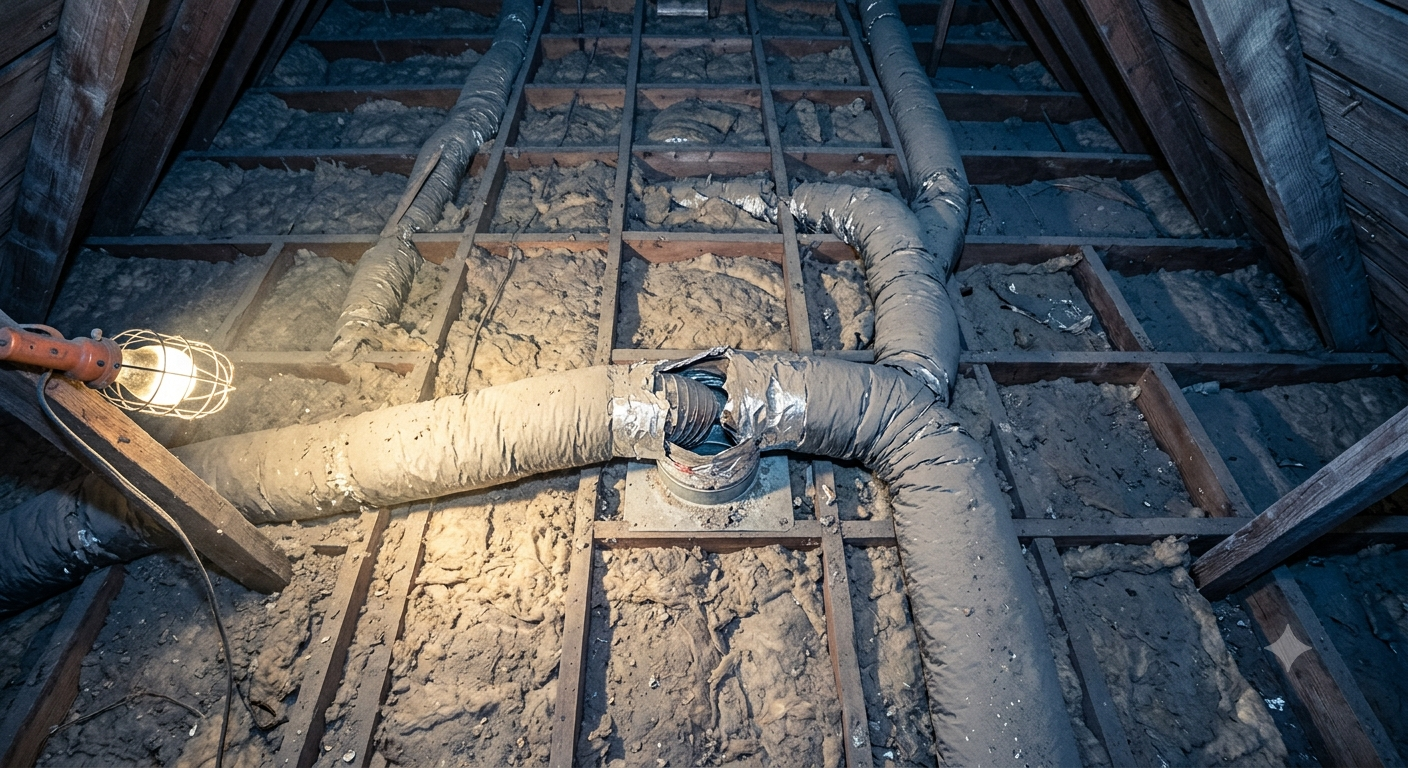
A straightforward swap in an accessible utility room costs less than a job involving a tight crawl space, an attic install, or a home that needs new refrigerant line sets or electrical work. Your technician will flag any of those during the assessment.
Brand and Warranty
Equipment from established manufacturers with strong dealer networks tends to carry better warranty coverage. Bryant® systems come with manufacturer warranties that protect your investment — but that warranty is only valid when the equipment is installed by an authorized dealer. That’s one reason dealer status matters when you’re choosing who to call.
Bundled System vs. Replacing One Component
If your furnace is 18 years old and your AC is 15, replacing both at the same time is usually the smarter move financially. A few reasons:
- Labor costs overlap. The technician is already on-site working in the same area.
- New systems are designed to work together. Efficiency ratings are calculated for matched equipment.
- You avoid a second major service call in two or three years when the other unit gives out.
Replacing one component now and the other later often costs more in total than doing both at once.
Ductless Systems: When They Make Sense
Not every home has ductwork, and not every room is well-served by central air. Ductless mini-split systems are a practical option for home additions, older homes in Royal Oak or Berkley that were never ducted, or rooms that run too hot or too cold no matter what the main system is doing.
Single-zone ductless systems are less expensive than multi-zone setups. If you’re conditioning one room or a finished basement, a single-zone unit is often the right call. Multi-zone systems that serve three or four areas of a home are more involved and priced accordingly.
High Comfort installs and services ductless HVAC systems across Southeast Michigan. If you’re not sure whether your home is a good candidate, a quick consultation will give you a clear answer.
Does Financing Make Sense for an HVAC Purchase?
Major HVAC purchases don’t have to wait until you have the full amount saved. Promotional financing spreads the cost over time, which means you can install the right system now instead of running an aging, inefficient unit through another Michigan winter.
High Comfort offers promotional financing for major HVAC purchases. If you’re looking at a $10,000 system replacement, financing lets you protect your home’s comfort without draining your savings or putting the full amount on a high-interest credit card.
Ask about current financing terms when you schedule your assessment. The specifics depend on the scope of the project.
What to Expect From a Quote
A reliable HVAC quote should include:
- Equipment model and efficiency rating
- Labor cost
- Any additional work required (ductwork, electrical, permits)
- Warranty terms for both equipment and labor
- Timeline for installation
Be cautious of quotes that arrive without a home visit. Accurate pricing requires a technician to see your home, assess your existing system, and measure the space. A number generated over the phone without that information is likely to change once someone actually shows up.
If you’re in West Bloomfield, Southfield, Novi, or anywhere else in Southeast Michigan, High Comfort’s heating and cooling services include a system assessment before any work is recommended. You get a clear picture of what needs to happen and why before you commit to anything.
Repair vs. Replace: A Quick Framework
Not every struggling system needs full replacement. Here’s a straightforward way to think through it.
Lean toward repair if:
- The system is under 10 years old
- The repair cost is less than 30–40% of replacement cost
- Efficiency is still reasonable for your home
Lean toward replacement if:
- The system is 15 or more years old
- Repair costs are high relative to what the system is worth
- Energy bills have been climbing without explanation
- The system uses R-22 refrigerant, which is no longer manufactured
A technician can help you run this math once they’ve assessed the unit. The goal is an honest recommendation — not a push toward the most expensive option.
2026 Cost Summary: Southeast Michigan Specifics
Prices in Southeast Michigan track closely with national averages, though local labor rates, permit requirements, and seasonal demand can all shift the final number. Scheduling during shoulder seasons — spring and fall — sometimes means faster availability and more flexibility, since peak summer and winter demand stretches wait times across every HVAC company in the region.
Annual pre-season maintenance check-ups, available through High Comfort, are one of the most cost-effective ways to extend the life of your current system and push back a full replacement. A check-up in spring before the cooling season or in fall before the heating season catches small problems before they turn into expensive ones.
FAQs
How much does a new heating and cooling system cost in 2026? A bundled furnace and central AC replacement typically runs between $7,500 and $15,000 or more, installed. The final price depends on your home’s size, the efficiency tier you choose, and whether any ductwork or electrical work is needed.
Is it cheaper to replace the furnace and AC at the same time? Usually yes. Labor costs overlap when both systems are replaced together, and matched equipment runs more efficiently. Replacing them separately over a few years often costs more in total.
What factors increase the price of a new HVAC system? Higher efficiency ratings, larger square footage, poor ductwork condition, installation complexity, and premium equipment all push the price higher. Permits and electrical upgrades add to the total as well.
Does Bryant® equipment cost more than other brands? Bryant® systems are priced competitively across their efficiency tiers. The cost difference between brands is often smaller than the difference between efficiency levels within the same brand. Manufacturer warranty coverage and authorized dealer installation are worth factoring into any comparison.
Can I finance a new heating and cooling system? Yes. High Comfort offers promotional financing for major HVAC purchases, so you can install the right system now and spread the cost over time rather than delaying a replacement you already need.
How long does a new HVAC system last? A well-maintained central air conditioner typically lasts 15 to 20 years. A gas furnace can last 20 years or more with regular service. Annual pre-season maintenance check-ups help you get the most out of that lifespan.
When should I repair instead of replace my system? If your system is under 10 years old and the repair cost is less than roughly one-third of replacement cost, repair usually makes sense. Older systems with recurring problems or climbing energy bills are often better candidates for replacement.
Getting a clear, honest number starts with a proper look at your home and your current system. If you’re ready to find out what a new heating and cooling system would actually cost for your situation, reach out to High Comfort to schedule a consultation. A technician will assess your system, walk you through your options, and give you a quote you can actually plan around.