Your furnace follows the same sequence every time it kicks on: the thermostat calls for heat, the inducer fan spins up, gas flows, and the ignitor lights the burner. When the ignitor fails, that chain breaks. No flame, no heat, and often no clear reason why until someone knows what to look for.
This guide covers the symptoms of a failing furnace ignitor, what the replacement process actually involves, and what Southeast Michigan homeowners should expect to pay in 2026.
What a Furnace Ignitor Does
Modern gas furnaces use one of two ignitor types: a hot surface ignitor (HSI) or an intermittent pilot. Hot surface ignitors are by far the more common option in furnaces installed over the last two decades. They function like a small heating element, glowing bright orange to ignite the gas burner. Most are made from silicon nitride or silicon carbide – both effective, both brittle, and both subject to wear over time.
When an ignitor fails, the furnace may attempt to start, come up short, and lock out after a set number of tries. Some systems will flash an error code on the control board. Others will just go quiet while the temperature inside your home keeps dropping.
Signs Your Furnace Ignitor Is Failing
The Furnace Starts a Cycle but Produces No Heat
This is the most common sign. You hear the inducer fan run, maybe a click or two, and then nothing – the burner never lights. If it happens more than once, the ignitor is one of the first things a technician will check.
Short Cycling
A furnace that starts, runs briefly, and shuts off before reaching the set temperature may have an ignitor that is only partially working. Inconsistent ignition causes the system to cycle on and off more than it should, which also puts extra wear on other components. It is worth addressing sooner rather than later.
No Glow From the Ignitor
A healthy hot surface ignitor glows bright orange within 15 to 30 seconds of a startup attempt. If you can observe it safely – through the furnace’s sight glass, or with the panel removed and power off – and it stays dark or barely glows, the ignitor is likely failing or already gone.
A Cracked or Broken Ignitor Body
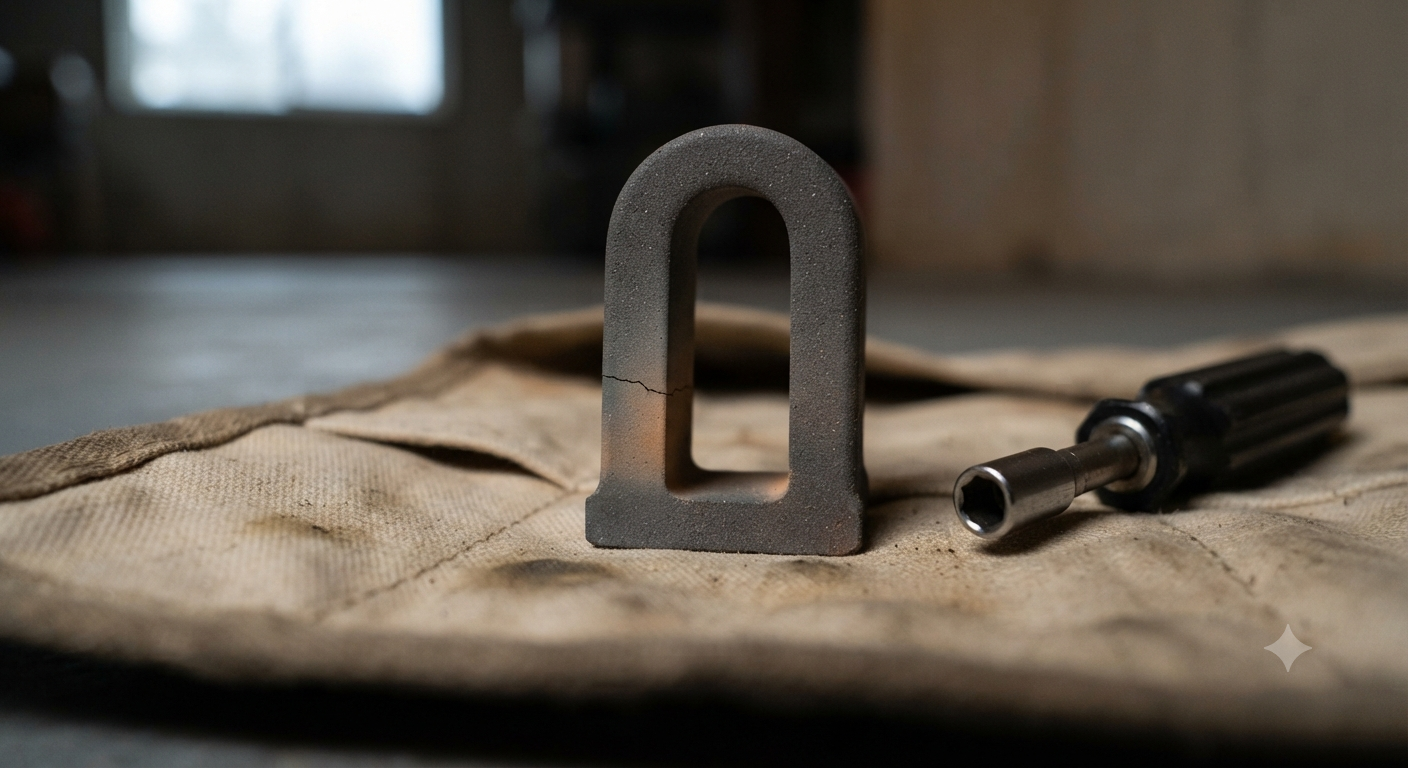
Silicon carbide ignitors are fragile. A visual inspection sometimes turns up a visible crack or a clean break in the element. Even a hairline fracture can prevent the ignitor from reaching the temperature needed to light the burner.
Error Codes on the Control Board
Many modern furnaces communicate fault codes through an LED on the control board. A code for “ignition failure” or “no flame detected” often points to the ignitor, though it can also indicate a gas supply issue or a faulty flame sensor. A technician will sort out which component is actually responsible.
How to Confirm the Ignitor Is the Problem
Several furnace issues share similar symptoms. A dirty flame sensor, a failing gas valve, or a pressure switch problem can all produce the same no-heat complaint. The most reliable way to confirm the ignitor is the culprit is a resistance test with a multimeter. A silicon carbide ignitor in good condition typically reads between 40 and 90 ohms. A reading outside that range – or an open circuit – confirms failure.
It is a straightforward test for a technician, but it involves working around live electrical components, which puts it outside the comfort zone of most homeowners.
What Furnace Ignitor Replacement Involves
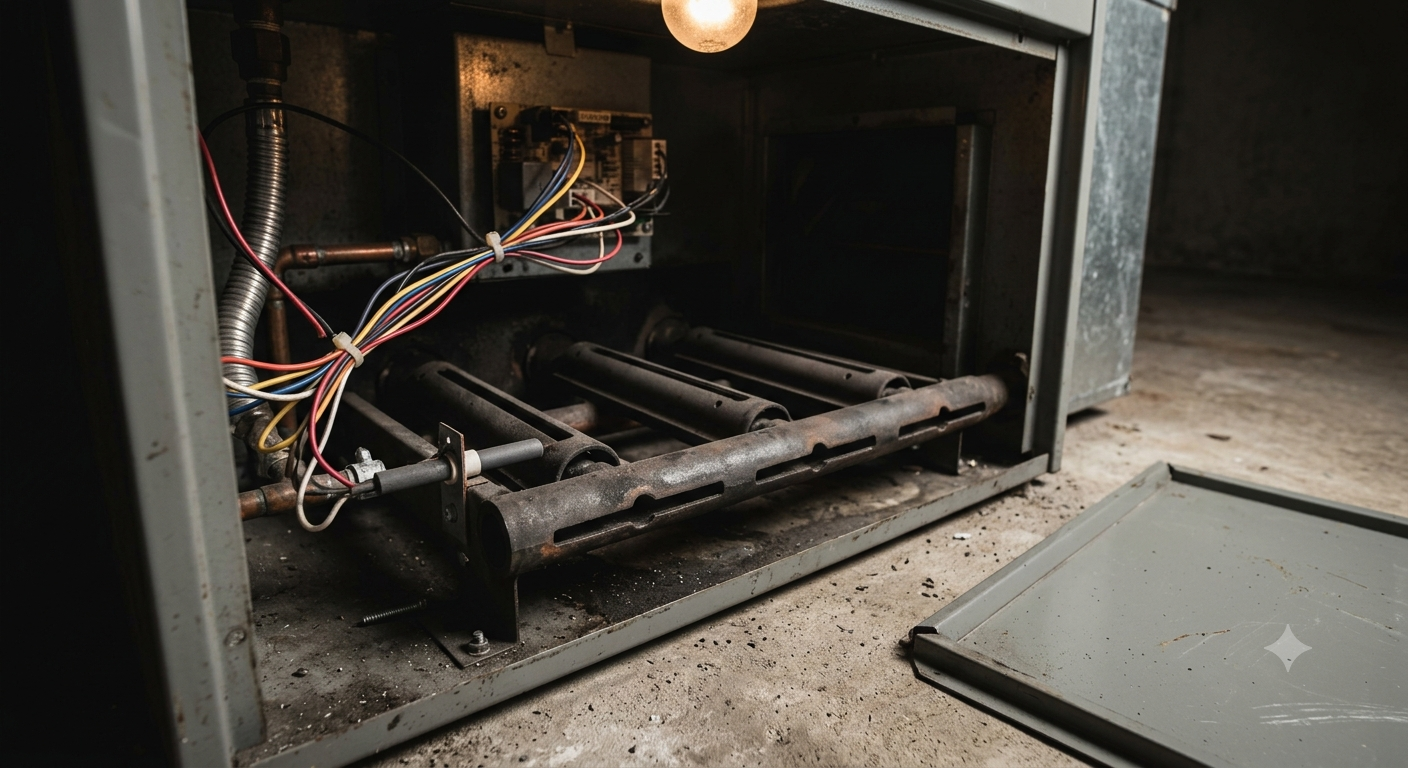
Replacing a hot surface ignitor is one of the more routine furnace repairs. A technician will shut off power and gas, access the burner compartment, disconnect the wiring harness, remove the mounting screws, and install the replacement – handling it carefully, since skin oils can shorten the ignitor’s lifespan. After reconnecting the wiring and restoring power, they will run a startup test to confirm everything is working.
The part is small, but getting the right one matters. Ignitors are not universal, and the technician needs the correct model for your specific furnace brand and series.
For a straightforward swap, expect the technician to be on site for 45 minutes to 90 minutes.
Furnace Ignitor Replacement Cost in Michigan in 2026
What you pay depends on the furnace brand, the ignitor type, and when you call. Here is a realistic breakdown for Southeast Michigan homeowners:
| Cost Component | Typical Range |
|---|---|
| Ignitor part | $20 to $80 |
| Labor (standard hours) | $100 to $200 |
| Diagnostic / service call fee | $75 to $125 |
| Total (standard visit) | $150 to $350 |
Emergency or after-hours calls typically add $50 to $150 on top of standard rates. If the technician finds a more complex issue – a failed control board, a gas valve problem – costs will be higher.
For perspective, a full furnace replacement in Michigan runs $3,000 to $7,000 or more depending on system size and efficiency. A $200 ignitor repair on a furnace that is otherwise in solid shape is almost always the right call.
If cost is a concern, High Comfort offers promotional financing for qualifying HVAC work, so a repair or replacement does not have to come out of pocket all at once.
How Long Does a Furnace Ignitor Last?
Hot surface ignitors typically last 4 to 7 years, though some hold up longer in clean conditions with regular maintenance. Furnaces that run hard, sit in dusty environments, or have gone without routine filter changes tend to wear through ignitors faster.
If your ignitor fails and your furnace is more than 15 years old, it is worth asking the technician for an honest read on the system’s overall condition. Replacing the ignitor is often still the right move, but it helps to know whether other components are also approaching the end of their service life.
Can You Replace a Furnace Ignitor Yourself?
Some homeowners do attempt it. The part is inexpensive and available at HVAC supply houses. The challenge is finding the correct replacement, handling a fragile component without breaking it, and – most importantly – being confident the ignitor is actually the problem.
If the real issue turns out to be a faulty flame sensor or a gas supply problem, you have replaced a part unnecessarily and still have no heat. For most homeowners, the cost of professional diagnosis and repair is worth it for the certainty alone.
Scheduling Furnace Repair in Southeast Michigan
If your furnace is not igniting, the sooner you get a technician on site, the better. Michigan winters do not leave much room for a cold house. In most cases, a qualified technician can diagnose the issue and complete the repair in a single visit.
High Comfort handles furnace repair, maintenance, and installation across Southeast Michigan. Contact the team to schedule a service call and get a technician to your home.
Frequently Asked Questions
How do I know if my furnace ignitor is bad?
The most common signs are a furnace that starts a cycle but never produces heat, short cycling, or a control board error code indicating ignition failure. A technician can confirm the diagnosis with a resistance test.
What does furnace ignitor replacement cost in Michigan?
Most Southeast Michigan homeowners pay between $150 and $350 in 2026, covering the service call, parts, and labor. Emergency or after-hours calls will add to that total.
How long does a furnace ignitor last?
Hot surface ignitors typically last 4 to 7 years. Regular maintenance and timely filter changes can help stretch that lifespan.
Can a bad ignitor cause a furnace to short cycle?
Yes. An ignitor that is partially failing may light the burner inconsistently, causing the furnace to start and stop repeatedly before reaching the set temperature. The added wear on the system makes it worth fixing promptly.
Is furnace ignitor replacement a DIY repair?
It is possible for experienced DIYers, but misdiagnosis is a real risk. If the actual problem is a flame sensor, gas valve, or control board, you will have replaced a part unnecessarily and still have no heat. Professional diagnosis is usually worth the cost.
How long does it take to replace a furnace ignitor?
A technician can typically complete the diagnosis and replacement in 45 to 90 minutes for a straightforward repair.
What happens if I ignore a failing ignitor?
The furnace will eventually stop starting altogether. In a Michigan winter, that means no heat until the repair is made. A failed ignitor is not a safety hazard on its own, but a cold house creates its own problems – including the risk of frozen pipes.
If your furnace is not igniting or you are seeing any of the symptoms above, do not wait for it to get worse. Reach out to the team at High Comfort to schedule a diagnostic visit and get your heat back on.