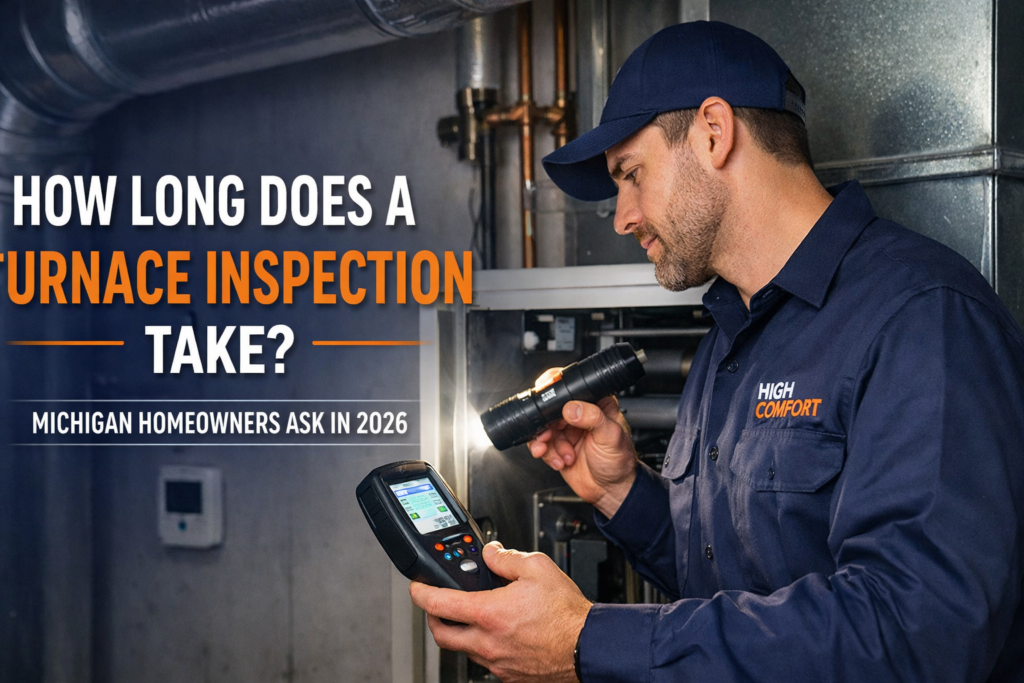
If you’ve been putting off a furnace inspection because you’re not sure how much time it takes, you’re not alone. It’s one of the first questions homeowners in Bloomfield Hills, Royal Oak, and across Southeast Michigan ask before booking. The short answer: most inspections run between 60 and 90 minutes. The actual time depends on a few things worth knowing before your technician shows up.
The Typical Furnace Inspection Timeline
For a standard annual inspection on a well-maintained system, plan on about an hour. A good technician won’t rush, but they won’t drag it out either.
Here’s roughly how that time breaks down:
- Visual inspection of the unit and surrounding area (5 to 10 minutes): The technician looks for obvious wear, rust, or clearance issues.
- Filter check and replacement if needed (5 minutes): A clogged filter is one of the most common causes of reduced efficiency and early system failure.
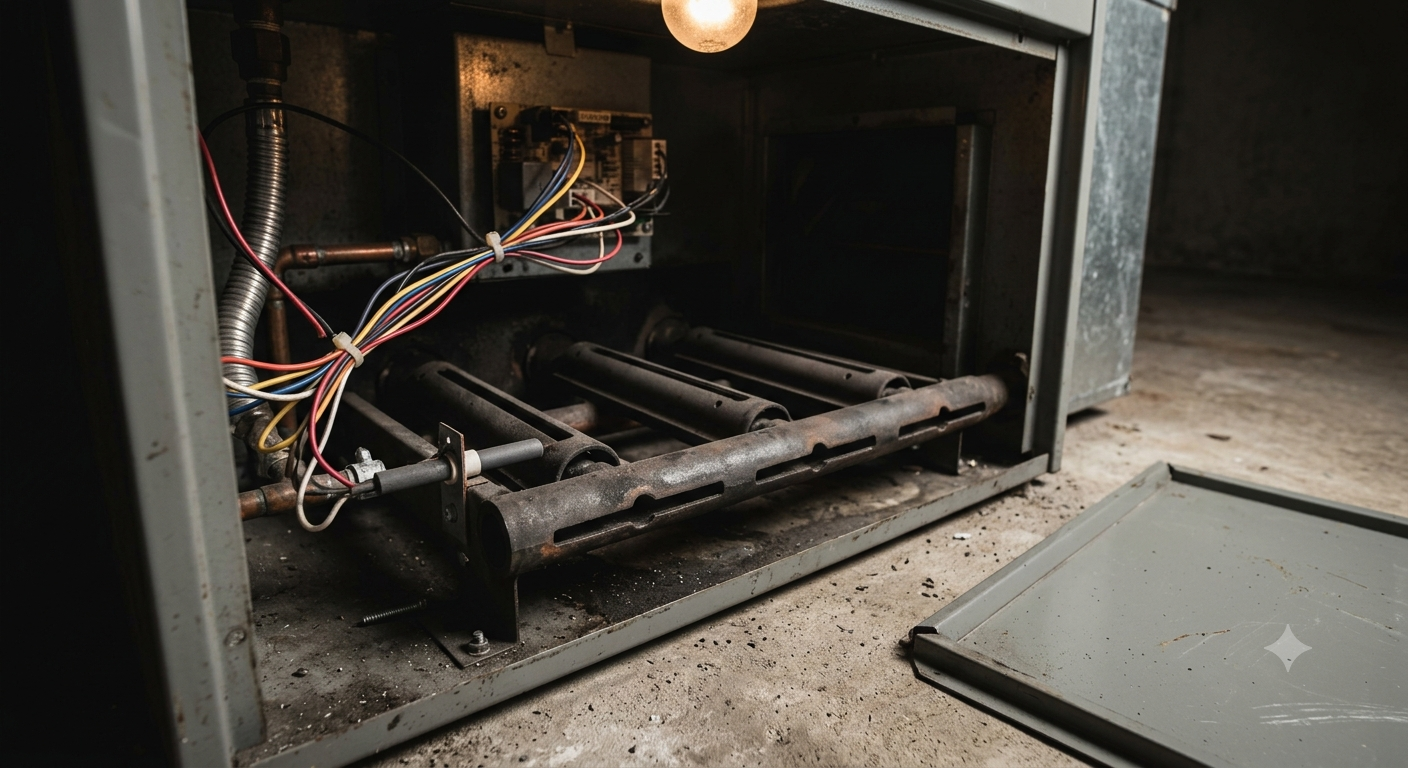
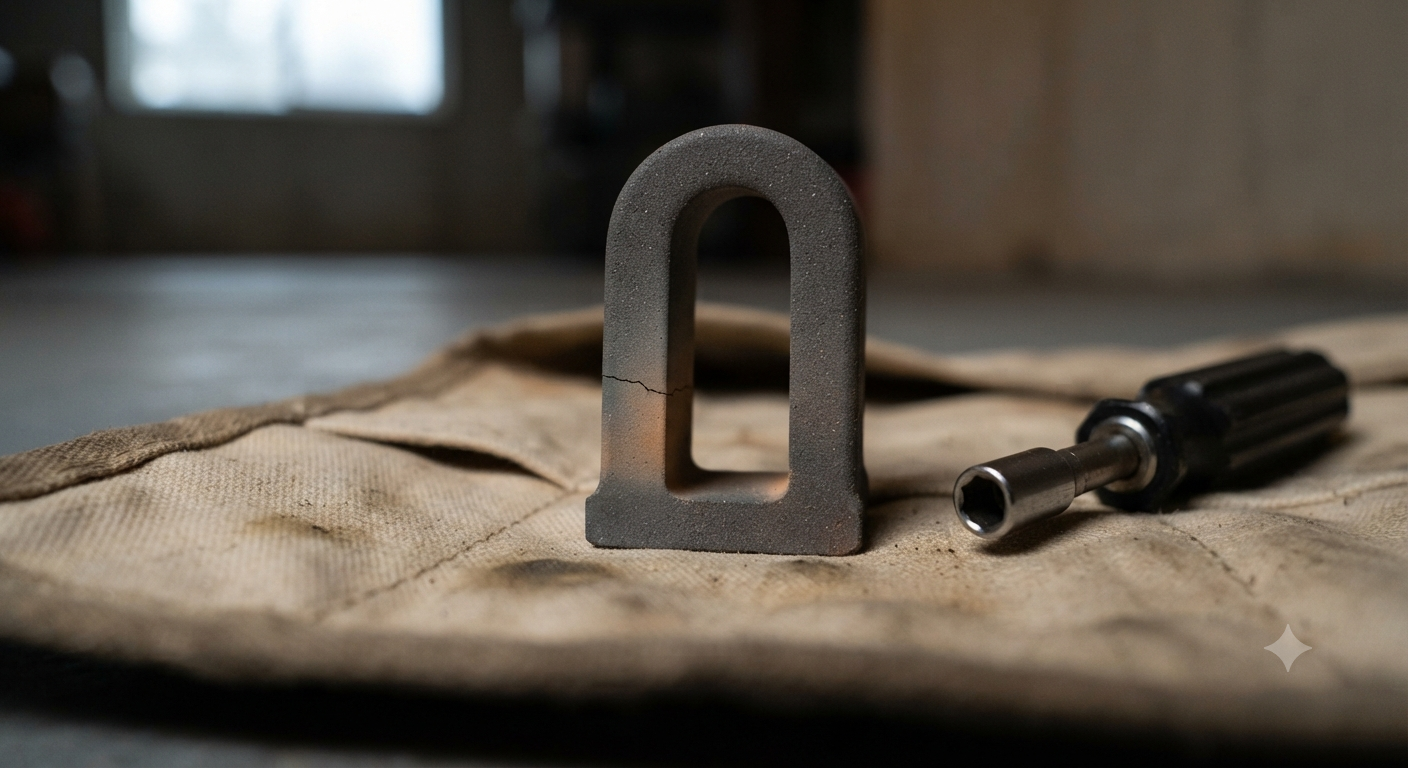
- Burner and heat exchanger inspection (15 to 20 minutes): This is one of the most critical steps. A cracked heat exchanger can allow combustion gases into your living space, so a careful technician takes their time here.
- Flue and venting check (10 minutes): Confirms exhaust gases are moving properly to the outside.
- Electrical components and controls test (10 to 15 minutes): Wiring, igniter, thermostat communication, and safety controls all get checked.
- System startup and performance test (10 to 15 minutes): The furnace runs a full cycle while the technician monitors temperatures and operation.
That’s your baseline hour. Add a few minutes for the technician to walk you through their findings, and you’re typically done in 90 minutes or less.
What Makes an Inspection Take Longer
Some situations push that timeline past 90 minutes. That’s not a bad sign on its own — it usually means your technician found something worth addressing.
The System Hasn’t Been Serviced in a Few Years
If your furnace has gone two or more Michigan winters without a professional inspection, there’s likely more to clean and test. Buildup on burners, a heavily soiled blower wheel, or a clogged condensate drain on a high-efficiency unit all take extra time to handle properly.
The Technician Finds a Repair Need
Sometimes an inspection turns up a part that’s failing or already failed. If you want it fixed the same day, that adds time to the visit — and that’s actually a good outcome. Catching a failing component in October is far better than finding out about it when temperatures drop below freezing in January.
Older Equipment Needs a Closer Look
Furnaces older than 15 years often require a more detailed inspection. Components wear differently over time, and a thorough technician will spend extra time evaluating whether the system is still operating safely and efficiently.
Larger Homes or Multiple Zones
If your home has a zoned heating system or more than one furnace, each unit gets its own inspection. A larger home in West Bloomfield or Novi with two furnaces will naturally take twice as long as a single-unit visit.
Wondering whether your furnace is ready for another Michigan winter? Scheduling an annual pre-season check-up is the right move. High Comfort’s heating services cover exactly this kind of inspection, and your technician will walk you through the findings in plain language when the visit is done.
What a Furnace Inspection Should Always Include
Not every inspection is the same. A 20-minute visit that swaps a filter and calls it done isn’t a real inspection. When you schedule with a qualified technician, here’s what should be on the checklist:
- Combustion analysis to confirm burners are firing correctly
- Heat exchanger inspection for cracks or corrosion
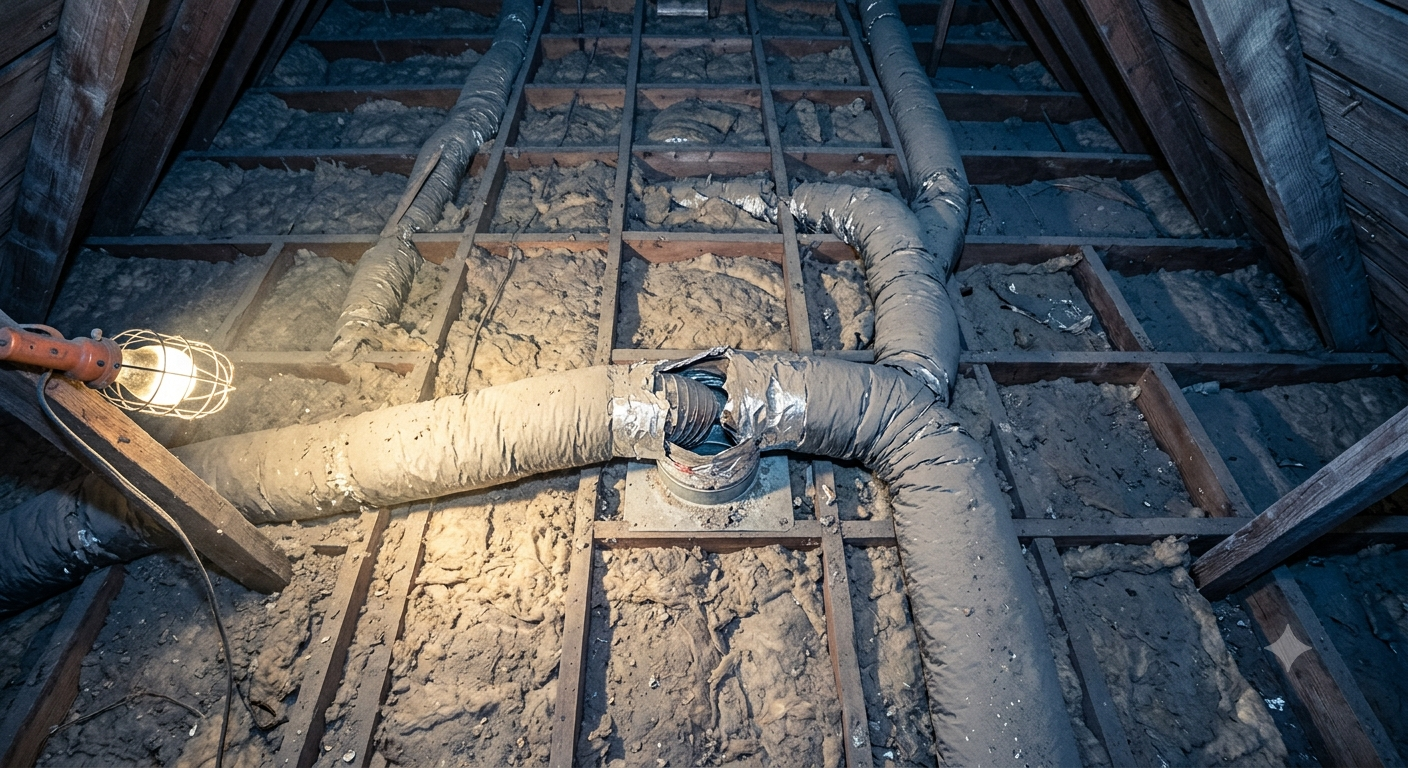
- Flue and exhaust venting verification
- Safety control testing, including the limit switch and pressure switches
- Blower motor and belt inspection
- Filter condition check
- Thermostat calibration and communication test
- Full system startup and cycle monitoring
If a technician skips any of these, it’s worth asking why. A complete inspection protects your home and gives you an accurate picture of where your system stands heading into the season.
Does a Furnace Inspection Include Cleaning?
Sometimes, but not always by default. An inspection and a tune-up are related but different. An inspection tells you the condition of your system. A tune-up includes cleaning components — burners, blower wheel, flame sensor — so the system runs at peak efficiency.
Many homeowners in Birmingham and Berkley book both at the same visit, which is the most practical approach. It adds some time to the appointment, but you leave with a clean, tested system rather than just a report.
How Often Should You Schedule a Furnace Inspection?
Once a year is the standard. In Southeast Michigan, late summer or early fall is the ideal window — before the heating season begins and before schedules fill up. Booking in September or October puts you ahead of the rush and gives you time to address anything before the first cold snap.
If you’ve recently moved into a home and don’t know the furnace’s service history, schedule an inspection right away regardless of the season. You want to know what you’re working with before you need it.
What Happens After the Inspection?
Your technician should give you a clear summary of what they found. If everything looks good, you’re set for the season. If they identify a repair, they’ll explain what’s needed and why.
Minor repairs can often be handled the same day. For larger issues — a failing heat exchanger, or a furnace that’s nearing the end of its useful life — your technician will walk you through your options honestly. If a replacement makes more sense than another repair, High Comfort installs Bryant® furnaces built to handle Michigan winters reliably. And major HVAC purchases don’t have to wait: promotional financing is available so you can move forward without a large upfront cost.
FAQs
How long does a furnace inspection take for a standard residential home?
Most inspections on a standard residential system take between 60 and 90 minutes, covering a visual check, burner and heat exchanger inspection, filter review, venting verification, and a full system startup test.
Can a furnace inspection be done the same day I call?
In many cases, yes. Availability depends on the season and how busy your local HVAC company is. Scheduling in early fall, before the heating season peaks, gives you the best chance of a same-day or next-day appointment.
Is a furnace inspection the same as a tune-up?
Not exactly. An inspection assesses the condition of your system. A tune-up includes cleaning components to improve performance. Many homeowners combine both at the same visit — it adds some time but leaves the system in better shape.
What should I do to prepare for a furnace inspection?
Clear the area around your furnace so the technician has easy access. Replace your thermostat batteries if they’re overdue. Have the system’s service history handy if you have it. That’s really all you need.
How often should a furnace be inspected in Michigan?
Once a year is standard. Late summer or early fall is the ideal time, before the heating season starts. If you’ve moved into a home with an unknown service history, schedule an inspection as soon as possible.
What happens if the technician finds a problem during the inspection?
They’ll explain the issue, what’s causing it, and what it takes to fix it. Minor repairs can often be handled the same day. For larger repairs or replacements, you’ll get a clear explanation of your options, including any available financing.
Does a furnace inspection cover the thermostat?
Yes. A thorough inspection includes testing thermostat communication and calibration to confirm the furnace responds correctly to temperature settings. If the thermostat is the source of a problem, a good technician will catch it during the visit.
A furnace inspection is one of the simplest ways to protect your home heading into a Michigan winter. It takes about an hour, tells you exactly where your system stands, and gives you time to handle anything before the cold arrives. Schedule yours with High Comfort before the season gets busy.