Your furnace stops working on a January night in Royal Oak. The house is getting colder, and you’re not sure whether to call someone right now or try a few things first. That’s exactly what this guide is for.
Some heating problems are simple fixes you can handle in ten minutes. Others need a licensed technician. Knowing the difference saves you time, money, and a lot of frustration during a Michigan winter.
Here’s how to work through the most common issues, step by step.
Start With the Obvious Checks
Before you assume something is broken, run through these basics. You’d be surprised how often one of these turns out to be the actual problem.
Check Your Thermostat First
Set the thermostat to “Heat” mode and raise the temperature at least five degrees above the current room reading. Wait a minute or two. If you hear the furnace kick on, the thermostat was the culprit — not the furnace itself.
If your thermostat runs on batteries, swap them out. Low batteries cause erratic behavior and can prevent the system from calling for heat at all.
Also confirm the fan setting is on “Auto,” not “On.” When it’s set to “On,” the fan runs continuously even when the furnace isn’t heating, which can make it feel like something’s wrong when the system is actually fine.
Check the Circuit Breaker
A tripped breaker cuts power to your furnace completely. Head to your electrical panel and look for any breaker that’s flipped to the middle position or fully to “Off.” Reset it by switching it all the way off first, then back on.
If it trips again immediately, stop there. That points to an electrical issue that needs a professional.
Check the Furnace Power Switch
Most furnaces have a wall switch nearby that looks like a standard light switch. It’s easy to accidentally flip it off. Make sure it’s in the “On” position before moving on.
Replace or Check Your Air Filter
A clogged filter is one of the most common reasons a furnace underperforms or shuts itself off. When airflow is blocked, the heat exchanger overheats and the furnace trips a safety shutoff.
Pull out your filter and hold it up to a light. If you can’t see light through it, replace it. For most Southeast Michigan homes, a 1-inch filter should be changed every one to three months during heavy-use seasons.
After swapping the filter, reset your furnace by turning it off at the thermostat, waiting a minute, then turning it back on. Give it five to ten minutes to restart.
Check the Pilot Light or Ignition System
Older furnaces use a standing pilot light. If it’s out, the furnace won’t fire. The access panel usually has relighting instructions printed directly on it — follow those steps exactly.
Newer furnaces use electronic ignition, which you can’t relight manually. If the ignition is failing, you’ll often hear the furnace click repeatedly but never ignite. That’s a job for a technician.
Inspect Your Vents and Registers
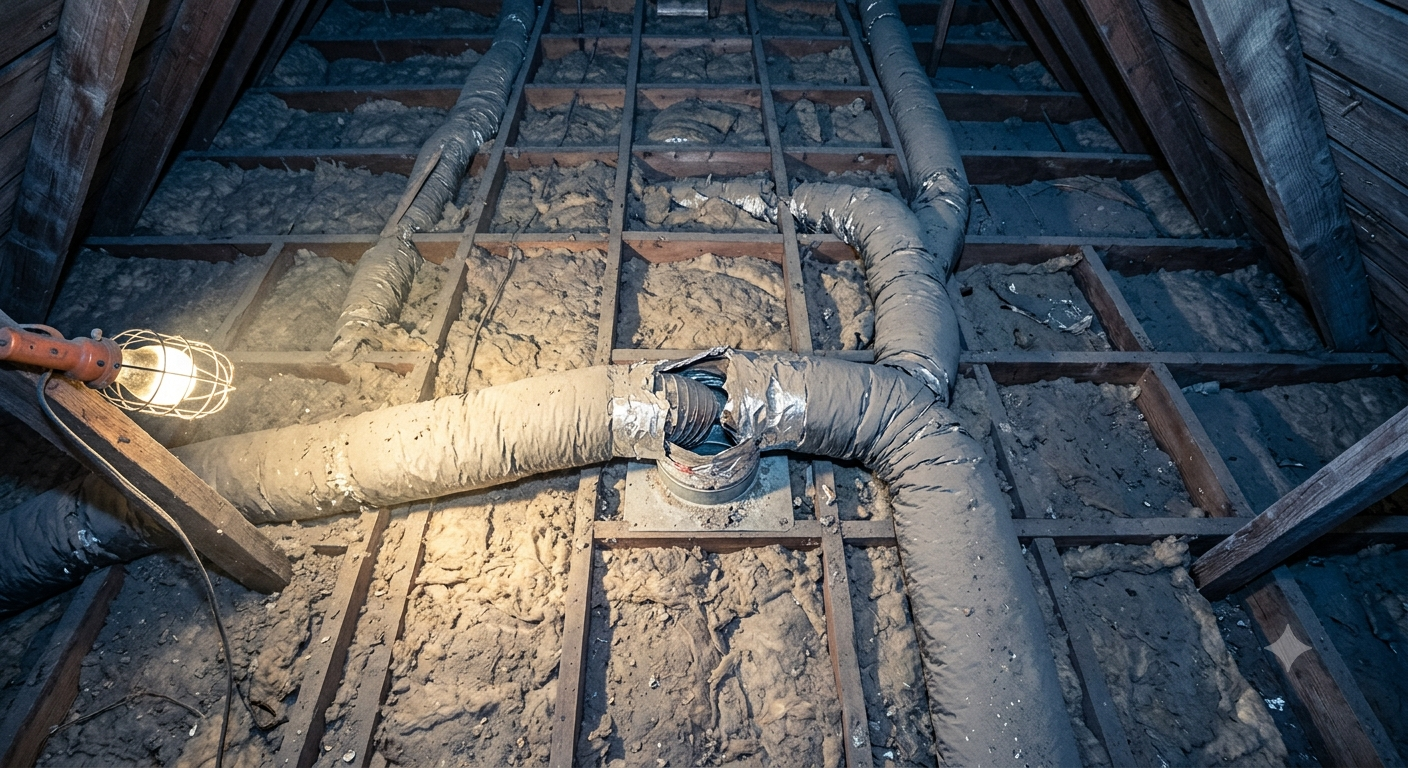
Walk through your home and make sure every supply and return vent is open and clear. Furniture, rugs, and drapes placed over vents restrict airflow and force your system to work harder than it should.
Also check that no exterior exhaust vents are blocked by snow or ice. High-efficiency furnaces vent through PVC pipes that exit near the foundation, and in a Bloomfield Hills or West Bloomfield winter, those pipes can get capped by snow drifts or ice buildup. A blocked exhaust will cause the furnace to shut down as a safety measure.
Clear any visible blockage carefully, then restart the furnace.
Listen and Look for Specific Symptoms
Different sounds and behaviors point to different problems. Here’s a quick reference:
| Symptom | Likely Cause | DIY or Pro? |
|---|---|---|
| Furnace won’t turn on at all | Thermostat, breaker, or power switch | DIY first |
| Furnace runs but blows cold air | Pilot/ignition issue, overheated system | Pro |
| Furnace short-cycles (turns on and off quickly) | Dirty filter, blocked vents, or heat exchanger issue | DIY filter; Pro for rest |
| Loud banging or rattling | Loose components or delayed ignition | Pro |
| Burning smell on first use of season | Dust burning off (normal) | Normal |
| Persistent burning or electrical smell | Wiring or motor issue | Pro immediately |
If you’re hearing banging, grinding, or persistent clicking without ignition, don’t keep resetting the system. Repeated failed ignition attempts can release unburned gas. Call a technician.
When to Stop Troubleshooting and Call a Pro
Some repairs are genuinely outside the scope of safe DIY work. Call a heating technician if:
- You smell gas at any point. Leave the house and call your gas utility first, then an HVAC company.
- The furnace runs but produces no heat after you’ve checked the filter and thermostat.
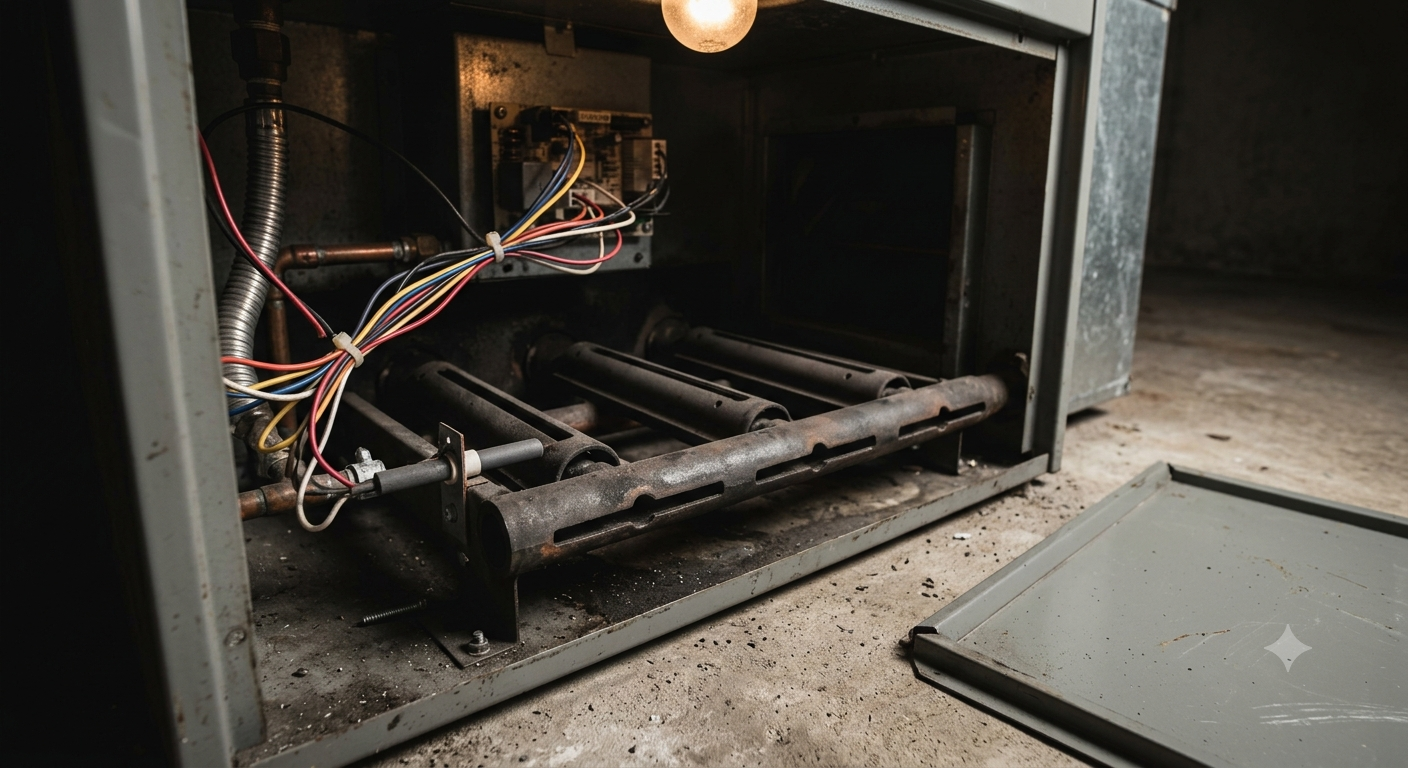
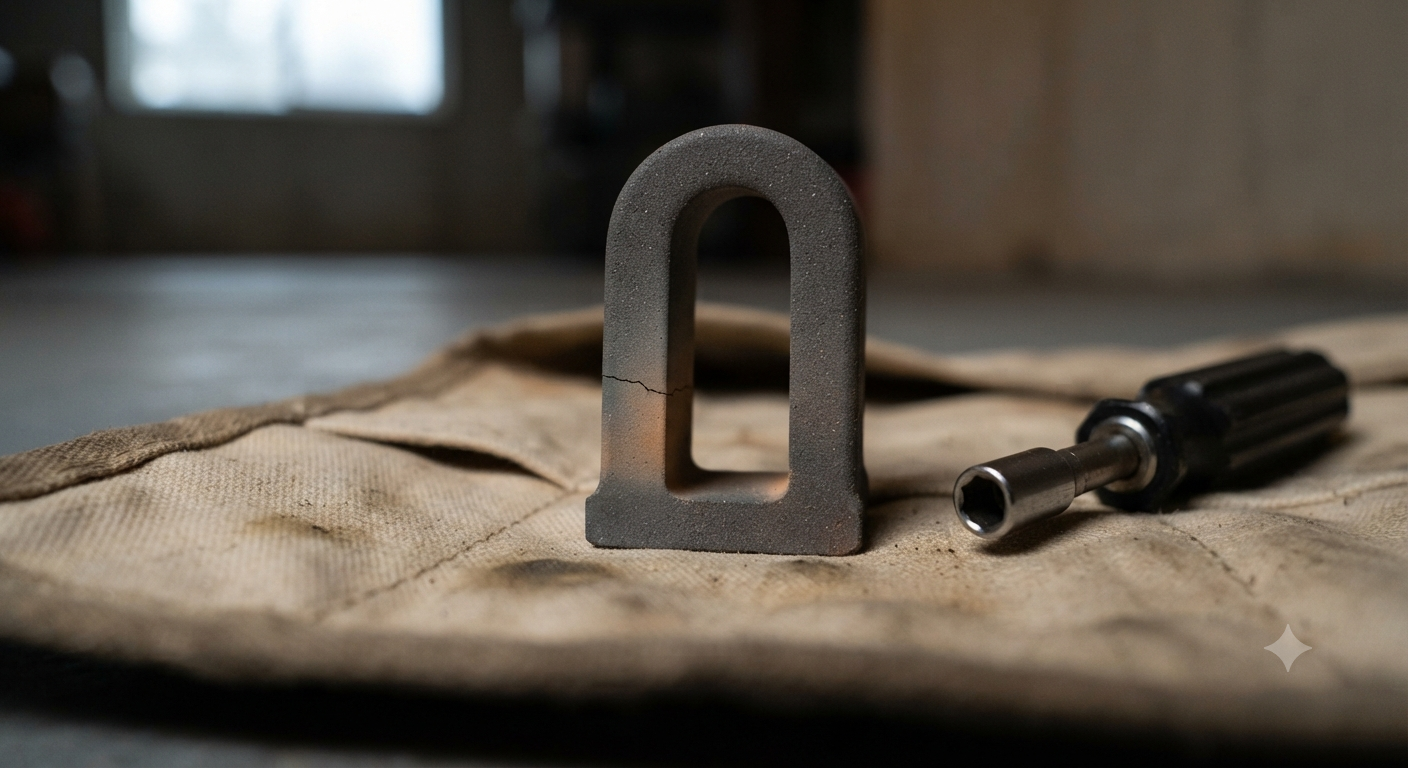
- You suspect a cracked heat exchanger. Signs include soot near the furnace, headaches when the heat runs, or visible cracks around the burner area.
- The furnace is more than 15 to 18 years old and having repeated issues. At that age, repair costs often start approaching replacement costs.
- You’ve reset the system multiple times and it keeps shutting off.
If your home is in Southfield, Birmingham, Novi, or anywhere else in Southeast Michigan and you’ve reached this point, it’s time for a professional assessment. High Comfort’s heating repair and installation team serves the area and can diagnose the problem accurately before recommending a repair or replacement.
What a Technician Will Check That You Can’t
A qualified HVAC technician goes well beyond what’s visible from the outside. During a diagnostic visit, they’ll typically:
- Test heat exchanger integrity (a cracked exchanger is a carbon monoxide risk)
- Measure gas pressure and combustion efficiency
- Inspect the blower motor and belt
- Check electrical connections and capacitors
- Test the igniter and flame sensor
- Evaluate the flue for proper draft and blockages
These aren’t things you can assess with a flashlight and a basic toolkit. They require instruments and training.
If your system is aging, an annual pre-season maintenance check-up is one of the smartest things you can do before winter arrives. It catches small problems before they turn into cold-night emergencies.
Thinking About Replacement Instead of Repair?
If your furnace is older and the repair estimate is significant, replacement may be the better financial call. A new Bryant® system installed by an authorized dealer gives you a reliable, efficient unit backed by manufacturer support.
Major HVAC purchases don’t have to wait. Promotional financing is available, so you can spread the cost over time rather than absorbing it all at once — which makes upgrading to a more efficient system realistic even when the timing isn’t ideal.
FAQs
Why is my furnace running but not heating the house? The most common causes are a dirty filter restricting airflow, a failing igniter that isn’t fully lighting the burner, or a heat exchanger issue causing the system to shut down as a safety measure. Start by checking and replacing your filter. If the problem continues, have a technician inspect the ignition system and heat exchanger.
How do I reset my furnace after it shuts off? Turn the thermostat down or to “Off,” then find the furnace power switch and turn it off. Wait about 30 seconds, turn the power back on, then set the thermostat to “Heat” and raise the temperature above room temperature. Give the system a few minutes to restart. If it shuts off again, stop resetting it and call a technician.
Why does my furnace keep turning on and off every few minutes? That’s called short-cycling. It’s usually caused by a clogged filter, blocked vents, or an overheating heat exchanger. Replace your filter and make sure all vents are open. If short-cycling continues after that, the issue is likely internal and needs professional diagnosis.
How often should I replace my furnace filter in Michigan? During heating season in Southeast Michigan, check your filter monthly and replace it every one to three months depending on the filter type and how hard the system is running. Homes with pets or older ductwork may need more frequent changes.
What does it mean if my furnace smells like burning when it first turns on? A mild burning smell at the start of heating season is normal — it’s dust burning off the heat exchanger and burners after months of sitting idle. It should clear within an hour. A persistent burning smell, or one that smells electrical or chemical, is not normal and warrants a call to a technician.
How do I know if my furnace needs repair or full replacement? A general rule: if the repair cost exceeds half the price of a new system and your furnace is more than 15 years old, replacement is often the better value. A technician can give you an honest read on that. If you’re in the Birmingham or Berkley area and want a straight answer, High Comfort offers system assessments with no obligation to buy.
Can I fix a furnace myself or do I always need a technician? Basic checks — replacing the filter, resetting a tripped breaker, relighting a pilot light, clearing a blocked exhaust vent — are reasonable DIY steps. Anything involving gas lines, electrical components, the heat exchanger, or the ignition system should be handled by a licensed HVAC technician.
Ready to Get Your Heat Back On?
Work through the steps in this guide first. A lot of heating problems have simple fixes you can handle yourself. But if you’ve checked the thermostat, replaced the filter, cleared the vents, and the system still isn’t right, it’s time to bring in a professional.
High Comfort serves homeowners across Southeast Michigan, including Royal Oak, Southfield, Novi, West Bloomfield, and the surrounding suburbs. Schedule a heating assessment and get your home back to comfortable.