
Michigan weather doesn’t give you much warning. One week you’re running your AC through a humid Royal Oak summer, and the next you’re watching temperatures drop fast enough to stress every component in your heating system. When a furnace or air conditioner fails, it almost never happens at a convenient time.
The good news is that most HVAC breakdowns are preventable. A consistent seasonal routine catches small problems before they become expensive ones, keeps your energy bills in check, and extends the life of your equipment. This checklist walks you through exactly what to do each season in 2026 — what you can handle yourself and when it’s time to call a pro.
Why Seasonal Maintenance Matters More in Michigan
Southeast Michigan puts HVAC systems through more stress than most climates. Winters in Bloomfield Hills and West Bloomfield push heating systems hard for months at a stretch. Summers bring enough heat and humidity to run air conditioning nearly nonstop from June through August.
That kind of demand accelerates wear. A system that gets no attention between seasons works harder than it needs to, and you pay for it in higher energy bills and more frequent repairs. Regular maintenance protects your investment and keeps your home comfortable year-round.
Fall Checklist: Prepare Your Heating System Before the Cold Arrives
Fall is the most critical season for heating maintenance in Michigan. You want your furnace or heat pump fully inspected before the first hard freeze — not during it.
Replace or Clean Your Air Filter
A clogged filter restricts airflow and forces your furnace to work harder than it should. Check it every 30 to 60 days during heavy-use seasons, and replace it at the start of fall regardless of how it looks.
Test Your Thermostat
Switch to heat mode and confirm it responds correctly. If you have a programmable or smart thermostat, update your schedule for the shorter days and cooler nights ahead.
Inspect Your Vents and Registers
Walk through your home and make sure all supply and return vents are open and unobstructed. Furniture, rugs, and drapes blocking vents reduce efficiency and cause uneven heating.
Check Your Carbon Monoxide Detectors
Heating season means more combustion activity in your home. Test your detectors and replace batteries if needed. It takes five minutes and it matters.
Schedule a Professional Heating Tune-Up
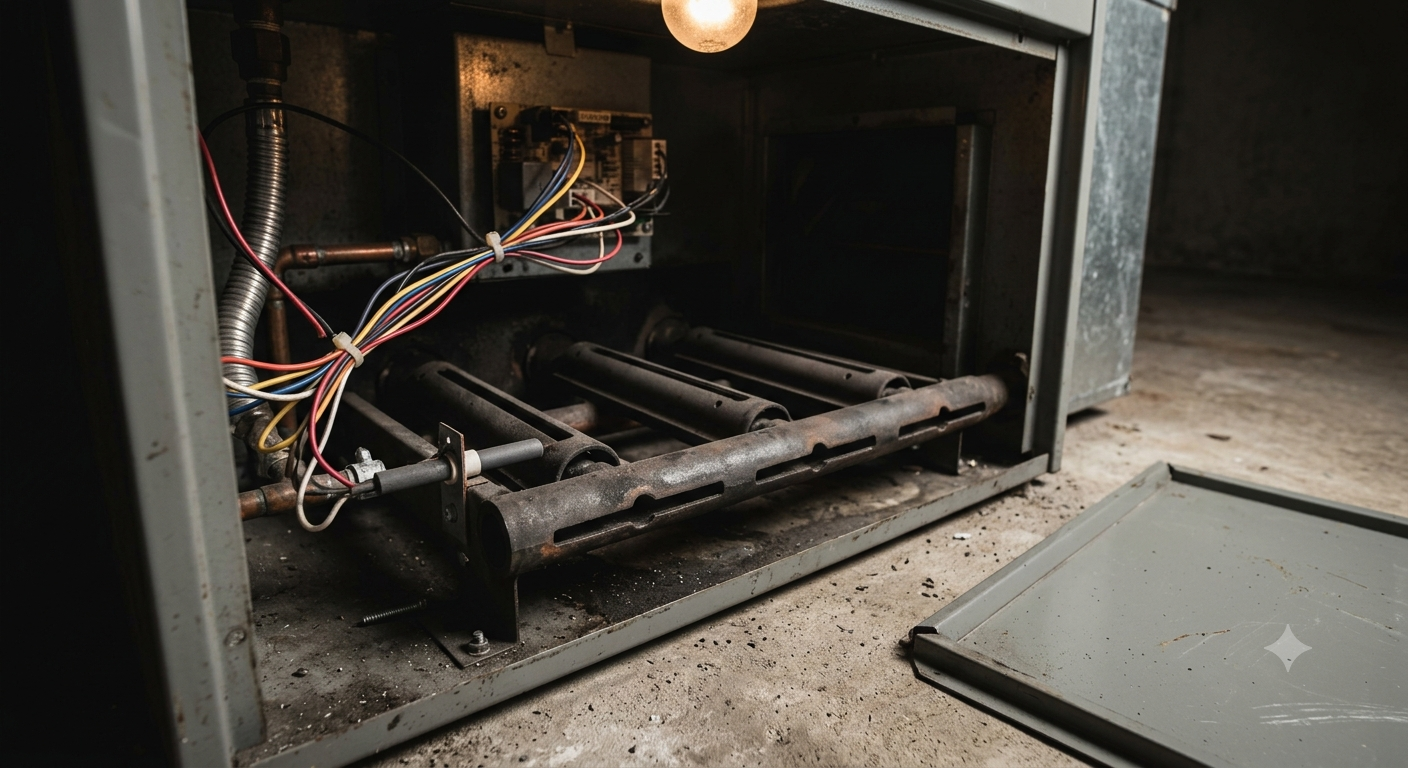
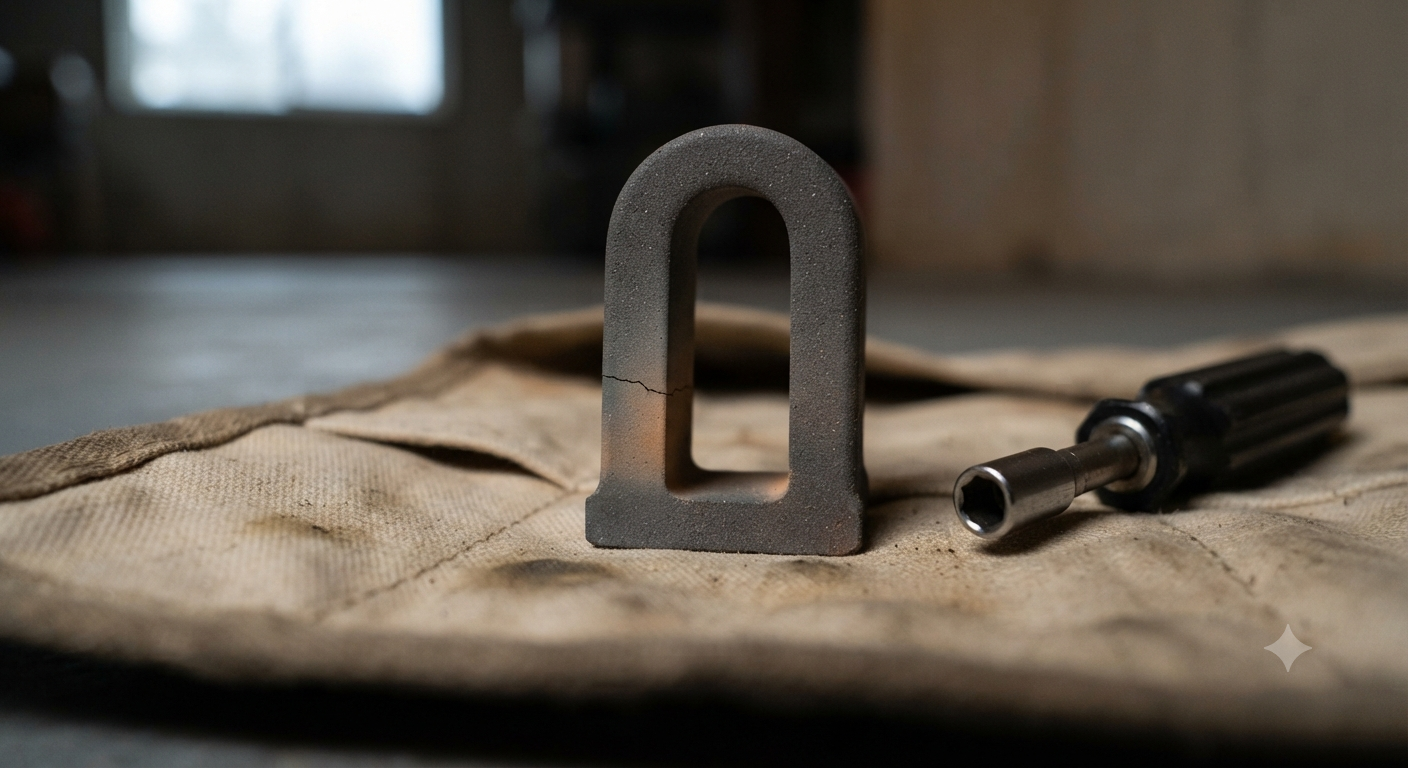
This is the step most homeowners skip — and later regret. A professional pre-season check-up covers the components you can’t easily access yourself: heat exchanger condition, burner operation, flue inspection, electrical connections, and system controls.
At High Comfort, annual pre-season maintenance check-ups are designed to catch these issues before they interrupt your winter. If something needs repair, you can address it on your schedule instead of scrambling during a cold snap.
Ready to get ahead of heating season? Schedule your pre-season check-up with High Comfort today.
Winter Checklist: Keep Your Heating System Running Through the Cold
Once heating season is underway, your job shifts from preparation to monitoring.
Monitor Your Filter Monthly
During peak heating season, your filter loads up faster. Check it monthly and replace it when it looks gray and dense — don’t just wait for a fixed date on the calendar.
Keep the Area Around Your Furnace Clear
Your furnace needs clear space for safe operation and proper airflow. Avoid storing anything directly against the unit, especially flammable materials.
Watch for Unusual Sounds or Smells
A well-maintained furnace runs quietly. Banging, rattling, or a persistent burning smell are signs something needs attention. Don’t file it away to deal with in spring.
Check Your Condensate Drain Line (High-Efficiency Furnaces)
High-efficiency furnaces produce condensate, and the drain line can freeze or clog in cold weather. If you notice water pooling near your furnace, that line likely needs clearing.
Keep Outdoor Units Clear of Snow and Ice
If you have a heat pump, keep the outdoor unit free of snow and ice buildup. A few inches of clearance on all sides is enough. Don’t cover it with a tarp.
Spring Checklist: Transition Out of Heating Season
Spring in Southeast Michigan is unpredictable. You might still need heat in March, but by May you’re thinking about air conditioning. Use this window to close out heating season and get your cooling system ready.
Replace Your Filter Again
You’ve run your heating system hard all winter. A fresh filter at the start of spring sets you up well for the shift to cooling season.
Inspect Your Outdoor AC Unit
After sitting dormant through a Michigan winter, your outdoor condenser needs a look. Clear away leaves, debris, and any vegetation that crept up around it over the colder months.
Test Your Air Conditioning Early
Don’t wait for the first hot day to find out your AC isn’t working. Run it for a few minutes in April or early May while temperatures are still mild. If it struggles to cool or makes unusual noises, you have time to schedule a repair before demand peaks.
Check Your Ductwork for Visible Issues
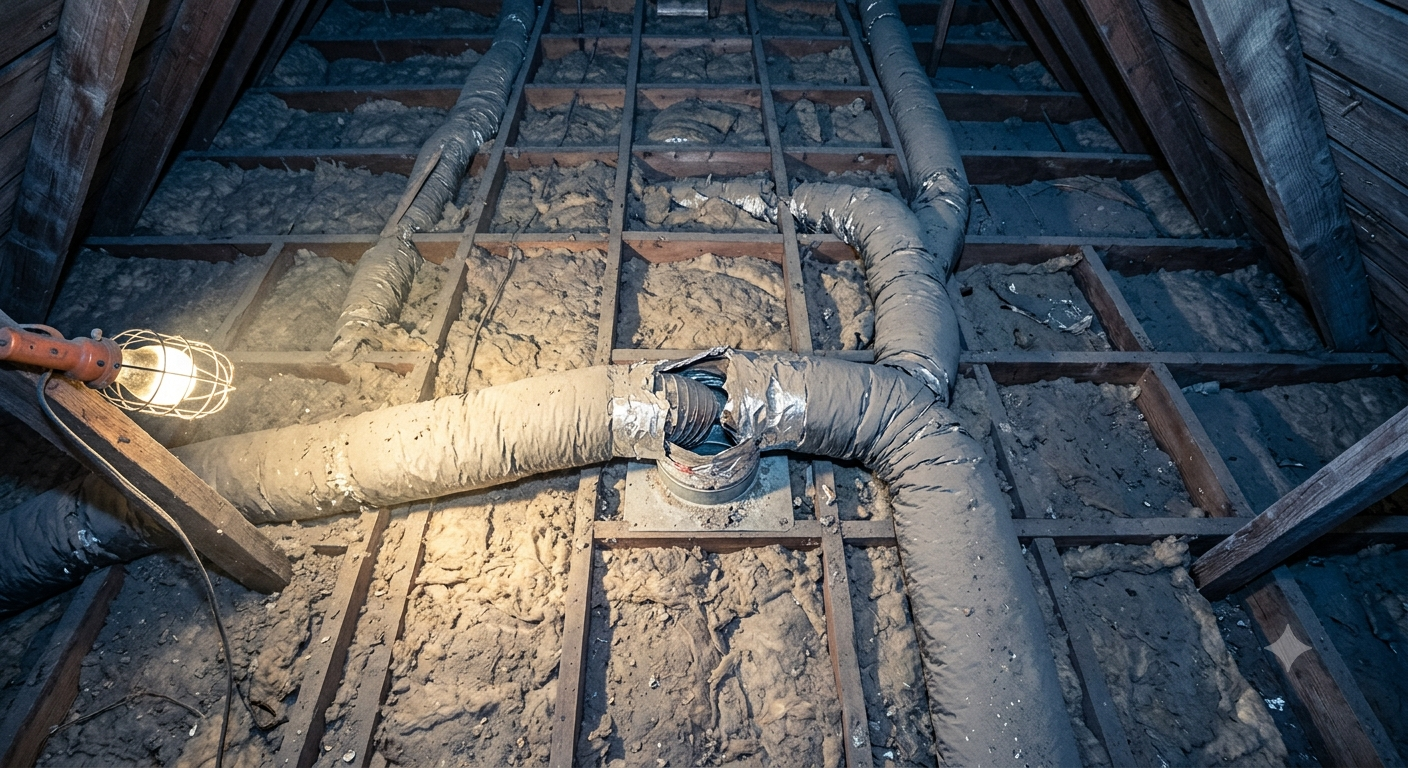
Look for obvious gaps, disconnected sections, or signs of pest activity in accessible duct runs. Leaky ducts waste conditioned air and reduce efficiency in both heating and cooling modes.
Summer Checklist: Protect Your Cooling System Through Peak Demand
Michigan summers are humid and hot enough to push air conditioners hard. A few simple habits keep your system running efficiently from June through August.
Keep Your Filter on a Monthly Schedule
High cooling demand means more air moving through your system and faster filter loading. Monthly checks are the right cadence during summer.
Clear Debris from Your Outdoor Unit Regularly
Grass clippings, cottonwood fluff, and summer debris collect on condenser coils. If you notice buildup, gently rinse the unit with a garden hose from the inside out. Skip the pressure washer.
Check Your Condensate Drain Line
In cooling mode, your air handler produces significant condensate. A clogged drain line can cause water damage or trigger a safety shutoff. Pouring a cup of diluted white vinegar down the line each month keeps it clear.
Monitor Your Energy Bills
A sudden spike in your electric bill without any change in habits often points to a system working harder than it should — usually a dirty coil, low refrigerant, or a failing component.
Schedule a Pre-Season AC Check-Up if You Skipped Spring
If you didn’t get your air conditioning inspected in spring, early summer is your next best window. A professional tune-up before peak heat arrives is worth doing now rather than waiting.
When to Call a Professional
Filter changes, debris clearing, and thermostat testing are all reasonable DIY tasks. Other situations call for a trained technician.
Call a professional when you notice:
- Your system isn’t reaching the set temperature
- Unusual sounds during startup or operation
- Short cycling — the system turning on and off repeatedly
- Ice forming on your outdoor unit or indoor coil
- A noticeable increase in energy bills without explanation
- Any smell of burning or gas near your equipment
If you’re in Birmingham, Southfield, Novi, or anywhere across Southeast Michigan, High Comfort handles heating repair, maintenance, and installation with clear communication and reliable scheduling — the kind of service that makes a real difference when something goes wrong.
A Note on Equipment Age and Replacement
If your furnace is more than 15 years old or your air conditioner is approaching the 12-to-15-year mark, maintenance alone may not be enough to keep it running efficiently. Older equipment costs more to operate and more to repair.
When replacement makes sense, High Comfort installs Bryant® equipment — a brand with a strong track record for reliability and efficiency. And a major purchase doesn’t have to happen all at once. Promotional financing is available, so you can replace aging equipment without waiting for the perfect financial moment.
Keeping Up With Your Maintenance Schedule
The simplest way to stay on track is to tie HVAC maintenance to seasonal transitions. When the clocks change in fall, schedule your heating tune-up. When spring arrives, test your AC and swap your filter. When summer heat sets in, check your drain line and outdoor unit monthly.
Two professional visits per year — one before heating season, one before cooling season — cover the technical side. Everything else on this list takes less than an hour total across the year.
FAQs
How often should I replace my HVAC air filter in Michigan?
Every 30 to 60 days during peak heating and cooling seasons is a solid baseline. During shoulder seasons when your system runs less, every 60 to 90 days is usually fine. Check it monthly and replace it when it looks visibly dirty.
What does a professional HVAC maintenance check-up include?
A professional tune-up typically covers filter inspection, thermostat calibration, electrical connection checks, heat exchanger inspection, burner cleaning and testing, refrigerant level check for AC systems, coil cleaning, and an overall review of system operation. It’s the kind of assessment you can’t replicate with a visual check from the outside.
When is the best time to schedule heating maintenance in Michigan?
Early fall — before temperatures drop below freezing — is ideal. September through early October gives you time to address any issues before you need your heating system running full-time. Waiting until November or December means competing with emergency service calls.
How do I know if my furnace needs repair or replacement?
Age is the first factor. A furnace over 15 years old that needs a significant repair is often better replaced than fixed. If your system is younger and the repair cost is less than half the cost of a new unit, repair usually makes sense. A technician can give you an honest assessment after a system evaluation.
Does regular HVAC maintenance actually lower energy bills?
Yes. A clean, well-tuned system runs more efficiently than a neglected one. Dirty coils, clogged filters, and worn components all increase the energy required to heat or cool your home. Regular maintenance keeps the system operating closer to its rated efficiency.
What should I do if my AC stops working on a hot day in July?
Check your thermostat settings and filter first, and make sure your outdoor unit is running and not blocked. If the system is running but not cooling — or not running at all — call a technician. Refrigerant issues, electrical faults, and compressor problems all require professional diagnosis.
Can I do HVAC maintenance myself, or do I need a professional?
Filter changes, thermostat testing, vent clearing, and outdoor unit cleaning are all reasonable DIY tasks. Anything involving the heat exchanger, refrigerant, electrical components, or gas connections requires a licensed technician. The two professional visits per year handle the technical side; the rest is straightforward upkeep.
Seasonal maintenance is one of the most practical things you can do as a homeowner in Southeast Michigan. It protects your equipment, keeps your home comfortable, and helps you avoid the kind of emergency repairs that always seem to happen at the worst possible time.
If you’re ready to schedule your pre-season check-up or have a system that needs attention, High Comfort serves homeowners across Berkley, Birmingham, Bloomfield Hills, Clawson, Novi, Royal Oak, Southfield, West Bloomfield, and the surrounding area. Contact us today to schedule your assessment.