
If your furnace breaks down in January or your AC quits during the hottest week of the year, the last thing you want is sticker shock on top of the discomfort. That’s the core appeal of an HVAC service agreement: predictable costs, priority scheduling, and a technician who already knows your system. But these agreements aren’t all built the same, and the annual fee isn’t automatically a win for every homeowner or business owner.
Here’s a clear breakdown of what a typical HVAC service agreement covers, what it leaves out, and how to figure out whether it’s worth it for your situation.
What Is an HVAC Service Agreement?
An HVAC service agreement is a contract between you and an HVAC company that covers scheduled maintenance visits, usually with added benefits like discounted repairs, priority service, and waived diagnostic fees. You pay a fixed annual or monthly fee, and the company commits to keeping your system running efficiently year-round.
Depending on the provider, you might see these called a maintenance plan, service contract, preventive maintenance agreement, or comfort plan. The structure varies, but the underlying idea is consistent.
What a Typical HVAC Service Agreement Covers
Coverage depends on the provider and plan tier, but most agreements include some combination of the following.
Scheduled Preventive Maintenance Visits
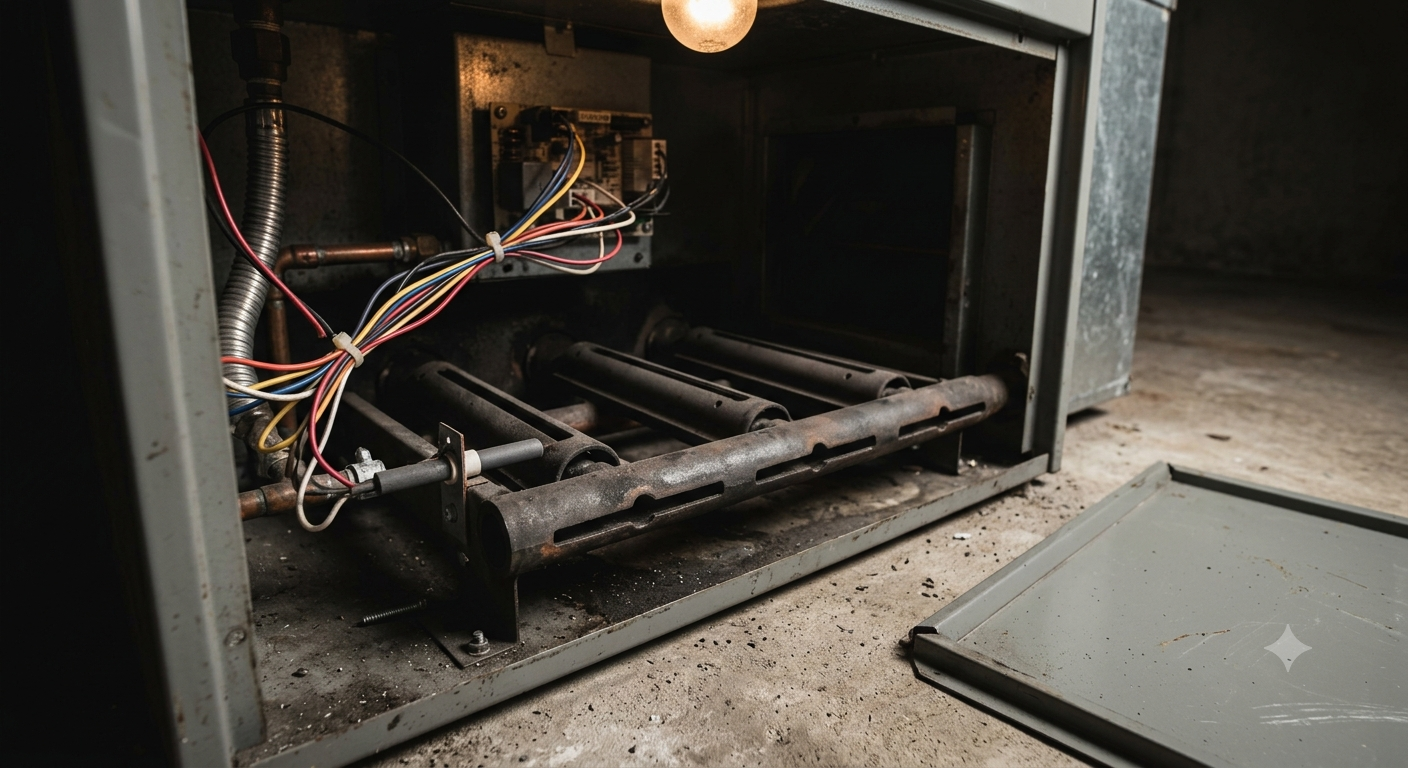
This is the foundation of nearly every agreement. You typically get one or two tune-up visits per year – one before heating season, one before cooling season. During each visit, a technician will:
- Inspect and clean the heat exchanger, burners, or coils
- Check refrigerant levels and look for leaks
- Test electrical connections and controls
- Lubricate moving parts
- Replace or inspect the air filter
- Measure airflow and system efficiency
These visits exist to catch small problems before they turn into expensive ones. A dirty burner or an undetected refrigerant leak can quietly shorten the life of your equipment and push your energy bills higher month after month.
Priority Scheduling
Most agreements include some form of priority service. When your system fails, you move to the front of the line. During peak demand – when every HVAC company in Southeast Michigan is fielding calls at once – that priority can mean the difference between a same-day fix and waiting three or four days.
Discounted Repair Rates
Many plans offer 10 to 20 percent off parts and labor on repairs outside of scheduled visits. Some waive the diagnostic or service call fee entirely for agreement holders.
System Documentation
A good technician documents your system’s condition at each visit, building a service history over time. That record is useful when you’re weighing whether to repair or replace aging equipment, and it can support a warranty claim if something fails.
What HVAC Service Agreements Typically Exclude
Knowing what isn’t covered matters just as much as knowing what is.
Major component replacement. Most maintenance agreements don’t cover the cost of replacing a compressor, heat exchanger, blower motor, or other major parts. Those costs fall on you, though you may receive a discount on parts and labor if your plan includes that benefit.
Emergency after-hours labor. Some plans charge extra for calls outside normal business hours, even for priority customers.
Refrigerant recharge. Adding refrigerant is often billed separately because it points to a leak that needs to be diagnosed and repaired.
Ductwork and air quality equipment. Unless specifically included, items like ductwork, humidifiers, air purifiers, and thermostats typically fall outside the scope of a basic agreement.
Pre-existing conditions. If your system has known issues when you sign, those problems are generally not covered under the new agreement.
Read the contract carefully before committing. Ask the provider to walk you through exactly what triggers an additional charge.
Is the Annual Fee Worth It?
The answer depends on a few things: the age of your equipment, how consistently it’s been maintained, and what a breakdown would actually cost you.
The Math on Maintenance
A standard two-visit tune-up for a combined heating and cooling system typically runs $150 to $300 if you pay per visit. Many service agreements are priced in that same range annually – and they bundle in priority scheduling and repair discounts on top. If you were going to pay for those visits anyway, the agreement often pays for itself before any repairs come into the picture.
Older Systems Benefit More
If your furnace or AC is more than 10 years old, the odds of needing a repair in any given year are meaningfully higher than they are for newer equipment. An agreement that includes discounted labor and waived diagnostic fees becomes more valuable as systems age.
Newer Systems Still Need Protection
Newer equipment is less likely to need repairs, but skipping maintenance is one of the fastest ways to void a manufacturer’s warranty. Most warranties require documented annual maintenance, and a service agreement provides that documentation automatically.
Commercial Properties Have More to Lose
For a business, an HVAC failure isn’t just uncomfortable – it can mean lost revenue, spoiled inventory, or a compliance issue. Commercial operators tend to see clearer value in service agreements because the cost of downtime far exceeds the annual fee.
Questions to Ask Before Signing
Before committing to an agreement, get clear answers to these:
- How many visits are included, and what does each one cover?
- Is the discount applied to parts, labor, or both?
- What is the priority response time during peak season?
- Are diagnostic fees waived for agreement holders?
- What happens if a repair requires a part the company doesn’t have in stock?
- Is the agreement transferable if you sell your home?
- What are the cancellation terms?
A provider who can answer these questions clearly and in writing is worth more than one who offers vague reassurances.
How to Evaluate the Provider, Not Just the Plan
The agreement is only as good as the company behind it. A low annual fee means little if the technicians are hard to reach, the work is inconsistent, or the company doesn’t carry parts for your equipment.
Look for a provider with:
- Licensed and insured technicians
- Experience with your specific equipment brand
- Transparent pricing with no surprise charges
- A solid track record in your area
For homeowners and businesses across Southeast Michigan, High Comfort provides heating, cooling, and commercial refrigeration services with the kind of local accountability that makes a service agreement actually deliver on its promise.
FAQs
What does an HVAC service agreement typically cost per year?
Most residential agreements range from $150 to $500 per year depending on the number of systems covered, the number of annual visits, and what additional benefits are included. Commercial agreements are generally priced higher based on system complexity and size.
Does an HVAC service agreement cover emergency repairs?
It depends on the plan. Most agreements include priority scheduling for emergencies, but parts and labor for repairs are usually billed separately – often at a discounted rate for agreement holders. Read the contract carefully to confirm what qualifies as an emergency and whether after-hours calls carry extra charges.
Is an HVAC service agreement the same as a home warranty?
No. A home warranty is a separate product that may cover multiple systems and appliances throughout your home, including HVAC. An HVAC service agreement is specific to your heating and cooling equipment and focuses on preventive maintenance and service priority rather than broad replacement coverage.
Can I get an HVAC service agreement for an older system?
Yes, though some providers will inspect the system first and may decline to cover equipment in poor condition or with pre-existing problems. If your system is older, ask upfront whether the agreement covers repairs or only maintenance visits.
Does having a service agreement affect my equipment warranty?
It can work in your favor. Many manufacturer warranties require documented annual maintenance, and a service agreement provides that documentation automatically – which can protect your claim if a covered component fails.
What happens to my service agreement if I sell my home?
Many agreements are transferable to the new homeowner, which can actually be a selling point. Ask your provider about the transfer process and whether any fees apply.
How many visits should a good HVAC service agreement include?
At minimum, two visits per year: one before heating season and one before cooling season. Some agreements include additional visits or let you add them at a reduced rate. Two visits is the standard for a system that handles both heating and cooling.
Whether an HVAC service agreement is worth the annual fee comes down to your equipment, your risk tolerance, and the quality of the provider. For most homeowners with systems older than five years – and for nearly all commercial operators – a well-structured agreement pays for itself. The key is choosing a provider who shows up, does the work thoroughly, and treats the agreement as a real commitment rather than a formality.