Your HVAC system rarely fails without warning. Most of the time, it gives you signals weeks or even months before a full breakdown. The problem is that those signals are easy to dismiss when your home still feels mostly comfortable.
In Southeast Michigan, that gamble gets expensive fast. A system quietly struggling through spring can leave you without air conditioning on the first 90-degree day in Royal Oak — or without heat on a January night in Bloomfield Hills. Neither situation is pleasant, and both tend to cost significantly more to fix than they would have earlier.
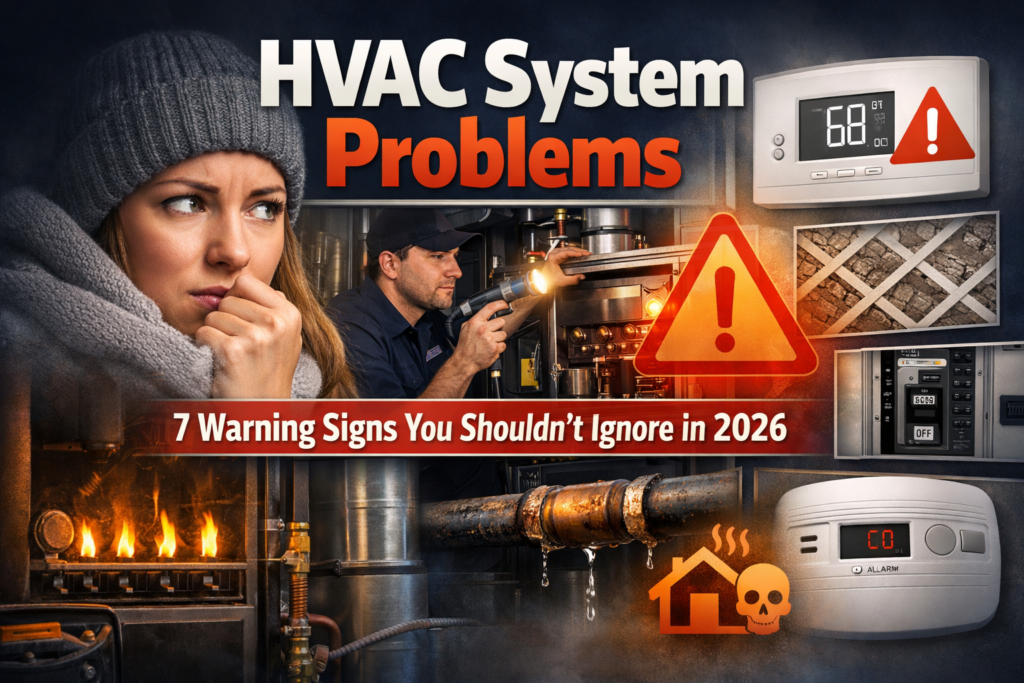
Here are seven warning signs worth taking seriously before they turn into emergencies.
1. Unusual Noises Coming From Your Unit
A healthy HVAC system hums quietly in the background. Banging, rattling, screeching, or clicking means something has changed.
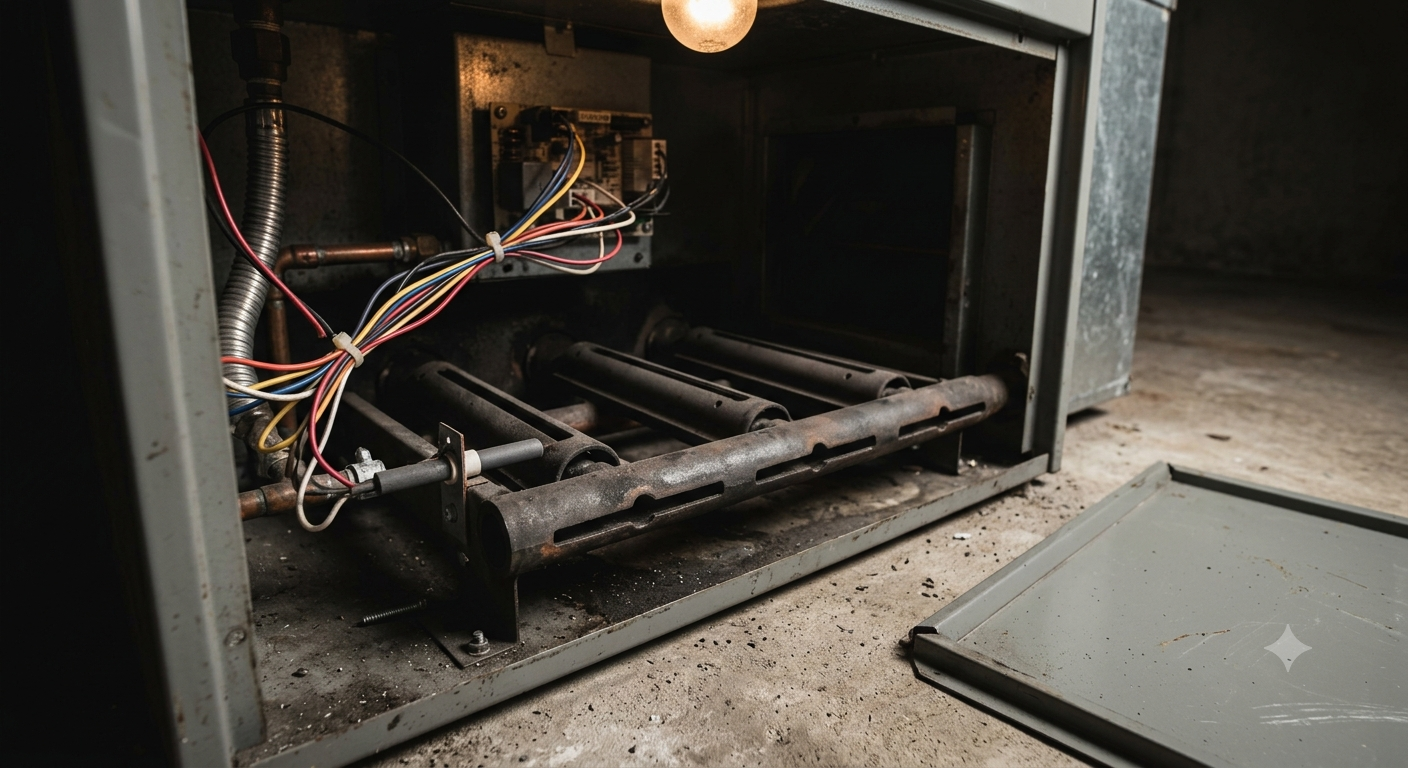
Banging or clanking often points to a loose or broken component inside the unit. Screeching can mean a worn belt or a motor bearing that needs attention. Clicking that repeats at startup or shutdown may signal an electrical issue.
None of these sounds fix themselves. The longer you wait, the more likely a small mechanical problem becomes a larger, more expensive one.
2. Weak or Uneven Airflow
If some rooms feel comfortable while others stay stuffy or never quite reach the set temperature, your system is working harder than it should to move air.
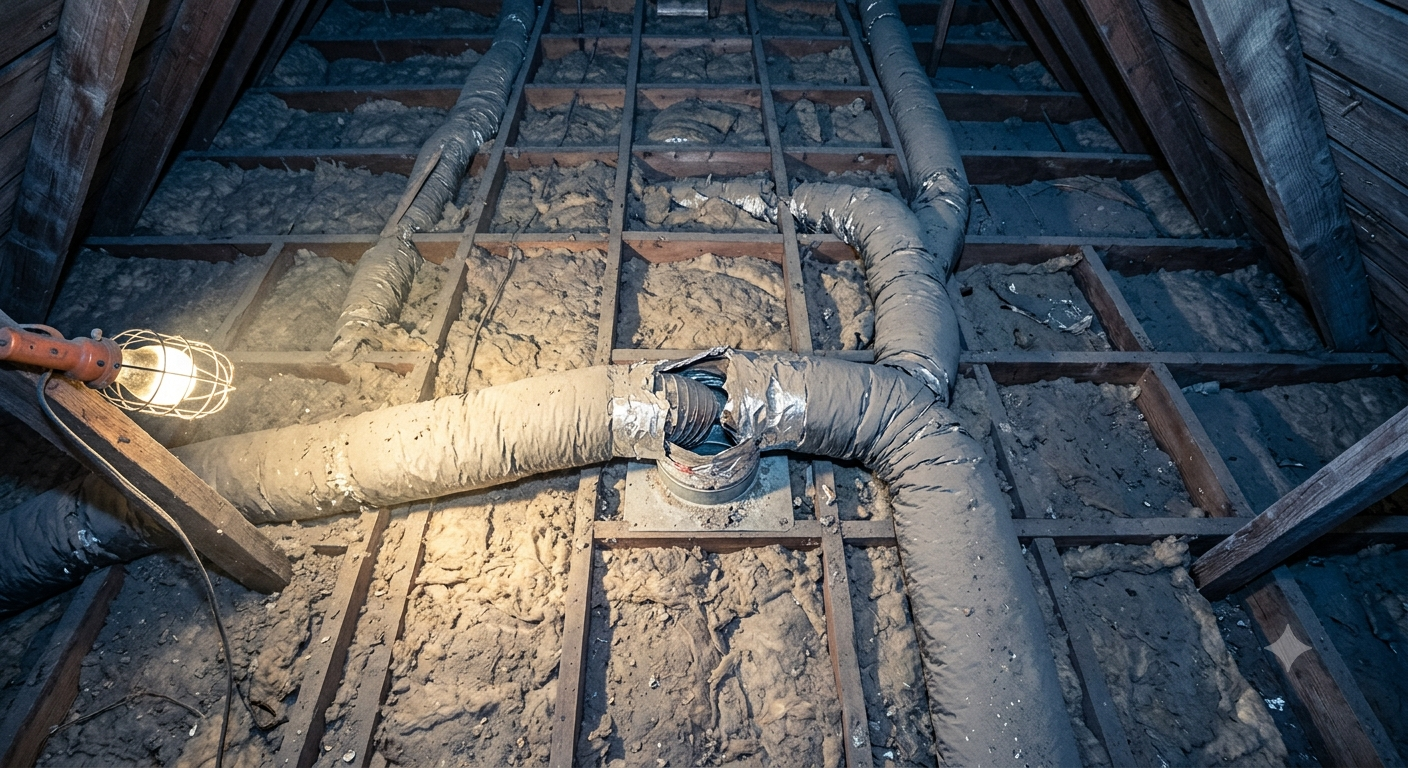
Weak airflow can come from a clogged filter, a failing blower motor, or ductwork that has developed leaks or blockages. In older homes across Southfield and West Bloomfield, duct deterioration is more common than most homeowners expect.
A clogged filter is something you can handle yourself. But if you’ve already replaced it and airflow is still poor, that’s worth a professional look.
3. Short Cycling
Short cycling is when your system turns on, runs for a minute or two, shuts off, and then starts right back up again — never completing a full heating or cooling cycle.
This puts real wear on your equipment. It also means your home never settles at a stable temperature, and your energy bills climb because the system is constantly restarting.
The causes vary: an oversized unit, a refrigerant issue, a dirty evaporator coil, or a failing thermostat. A technician can identify the root cause quickly.
4. Rising Energy Bills Without a Change in Usage
If your utility bills have crept up but your habits haven’t changed, your HVAC system is likely working harder to deliver the same result — a classic sign of reduced efficiency.
Dirty coils, low refrigerant, aging components, and poor duct sealing all force the system to run longer just to hit your thermostat setting. Over a Michigan summer or winter, those extra run hours add up fast.
This is one of the most common HVAC system problems homeowners notice first, precisely because it shows up on your bill before it shows up as a comfort issue.
5. Moisture, Leaks, or Ice Around the Unit
Some condensation around an air conditioning unit is normal. Pooling water, active dripping, or ice forming on the coils is not.
Ice on your AC coils usually means restricted airflow or low refrigerant — both prevent the system from absorbing heat properly, and running an iced-over unit can damage the compressor. Water pooling near your furnace in winter can point to a condensate drain issue or a heat exchanger problem.
If you see moisture where it shouldn’t be, turn the system off and schedule a service call. Running a compromised system tends to make the repair more expensive.
6. Strange Smells When the System Runs
A faint burning smell when you first fire up the heat in fall is sometimes just dust burning off the heat exchanger. It should clear within a few minutes.
A smell that lingers — or one that smells like electrical burning, musty mildew, or something chemical — is a different matter. Musty odors often point to mold growth inside the ductwork or on the evaporator coil. An electrical smell can indicate overheating components or wiring issues.
Persistent odors affect your indoor air quality and can signal a safety concern. Don’t let them go unchecked.
7. Your System Is Over 15 Years Old and Needs Frequent Repairs
Age alone isn’t a reason to replace an HVAC system. Age combined with frequent repairs is.
If you’ve called for service two or three times in the past couple of years, those costs are adding up. At some point, continuing to patch an aging system costs more than replacing it with something reliable and efficient.
Bryant® equipment, which High Comfort installs and services across Southeast Michigan, is built to perform for years with proper maintenance. If your current system is past 15 years and struggling, a replacement conversation is worth having.
And major HVAC purchases don’t have to wait on budget timing. Promotional financing is available, so you can get a properly sized, efficient system installed without covering the full cost upfront.
When to Call a Professional
Noticing one of these signs doesn’t automatically mean you’re headed for a full replacement. Many HVAC system problems are straightforward repairs when caught early. A technician can assess what’s actually happening and give you a clear picture of your options.
If you’re in Birmingham, Clawson, Novi, Berkley, or anywhere across the Southeast Michigan suburbs, getting a system assessment before a problem gets worse is the practical move.
High Comfort offers annual pre-season maintenance check-ups designed to catch these issues before they become breakdowns. A $20 off any repair discount has also been available for customers during promotional periods — worth asking about when you call.
FAQs
What are the most common HVAC system problems homeowners face?
The most common issues include dirty or clogged filters reducing airflow, refrigerant leaks causing poor cooling, short cycling from an oversized or malfunctioning unit, thermostat failures, and aging components that reduce overall efficiency. Most of these are repairable when caught early.
How do I know if my HVAC problem needs a repair or a full replacement?
If your system is under 10 years old and the repair cost is reasonable relative to the system’s value, repair is usually the right call. If it’s over 15 years old, has needed multiple repairs recently, or the repair cost approaches half the price of a new unit, replacement is worth a serious look.
Why is my HVAC system running but not cooling or heating properly?
Several things can cause this: low refrigerant, a dirty evaporator or condenser coil, a failing blower motor, blocked vents, or ductwork leaks. A technician can pinpoint the specific cause during a service visit.
Is short cycling bad for my HVAC system?
Yes. Short cycling prevents the system from completing a full run cycle, which puts extra stress on the compressor and other components. It also leads to inconsistent temperatures and higher energy bills — and it tends to get worse without attention.
How often should I schedule HVAC maintenance in Michigan?
Twice a year is the standard recommendation: once in spring before cooling season and once in fall before heating season. Michigan’s temperature swings put real demand on both your furnace and air conditioner, so pre-season check-ups help prevent mid-season failures.
Can a strange smell from my HVAC system be dangerous?
It depends on the smell. A brief dusty or burning smell at the start of heating season is usually harmless. A persistent electrical smell, a chemical odor, or a smell like rotten eggs — which can indicate a gas issue — should be treated as urgent. Shut the system off and have a technician inspect it before running it again.
Does High Comfort service both residential and commercial HVAC systems?
Yes. High Comfort provides heating and cooling service for homeowners across Southeast Michigan and also handles commercial refrigeration diagnosis and servicing for restaurants, retail businesses, and food service operators. Commercial refrigeration is a core service offering, not an afterthought.
Take Action Before the Season Peaks
Most HVAC system problems give you time to respond if you pay attention. A noise, a smell, a climbing energy bill, an uneven temperature — these are your system asking for attention before something bigger goes wrong.
Don’t wait for a full breakdown in the middle of a Michigan summer or a January cold snap. Schedule a system assessment with a local specialist who knows the area and the equipment.
Learn more about heating and cooling services in Southeast Michigan at High Comfort and get your system checked before the next season peaks.