Michigan winters are long, and the summers have gotten hotter. If your energy bills keep climbing season after season, your HVAC system is almost certainly the culprit. Heating and cooling account for roughly half of a typical home’s energy use, and an aging or poorly maintained system works harder than it needs to – burning more fuel and electricity just to hit the same thermostat setting.
The good news is that you have real options. Some cost nothing. Some require a modest investment. Others are bigger purchases that pay for themselves over time. Here’s a breakdown of each so you can figure out where to start.
Why Southeast Michigan Homes Pay More Than They Should
This part of the state sees temperature swings that push HVAC equipment hard. A system that runs fine in a mild climate gets tested when it’s holding 70 degrees inside while it’s 5 below outside in January – or fighting 95-degree heat in August.
When a system is undersized, oversized, or simply old, it either runs longer cycles than it should or short-cycles repeatedly. Either way, you’re paying for energy that isn’t doing useful work. Add leaky ductwork, a clogged filter, or a thermostat that’s never been calibrated, and the waste compounds fast.
Start With the Free Fixes
Before spending a dollar, there are a few things you can do right now that will have an immediate effect on your bill.
Change Your Air Filter
A clogged filter forces your system to pull air through a restriction, which makes the blower motor work harder and reduces airflow across the heat exchanger or evaporator coil. Most filters need to be replaced every one to three months depending on the type and your home’s conditions. If you have pets or anyone with allergies, stay toward the shorter end of that range.
Set Your Thermostat Smarter
Every degree you lower the heat in winter – or raise the cooling setpoint in summer – while you’re asleep or away saves roughly one to three percent on your bill. A programmable or smart thermostat handles this automatically so you don’t have to think about it. If you’re still running a manual thermostat, upgrading to a programmable model is one of the cheapest improvements you can make.
Seal the Obvious Air Leaks
Check the weatherstripping around your doors and the caulk around window frames. Cold air sneaking in during winter and hot air pushing in during summer both add directly to your system’s workload. A quick walk around your home with your hand near door frames on a windy day will tell you a lot.
Schedule a Professional Tune-Up
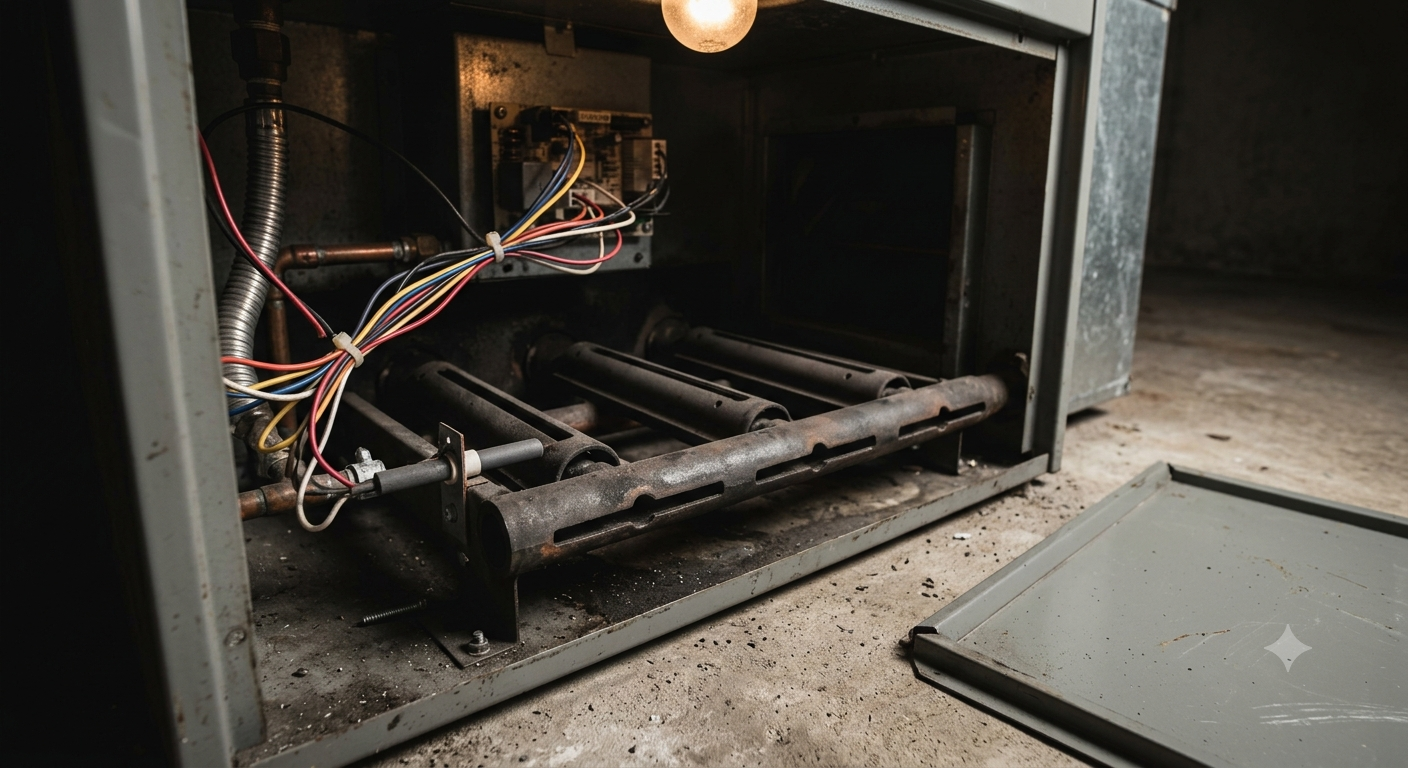
A professional maintenance visit does things a homeowner can’t easily handle alone: verifying refrigerant charge, checking electrical connections, cleaning the heat exchanger or evaporator coil, measuring airflow, and confirming the system is running at its rated efficiency.
A system operating at 80 percent of its rated efficiency when it should be at 95 percent is costing you money every single day. A tune-up typically costs far less than the energy waste it corrects.
High Comfort offers maintenance visits for both residential and commercial systems across Southeast Michigan. If your system hasn’t been serviced in over a year, that’s the first professional step worth taking. You can schedule an assessment here.
Address Your Ductwork
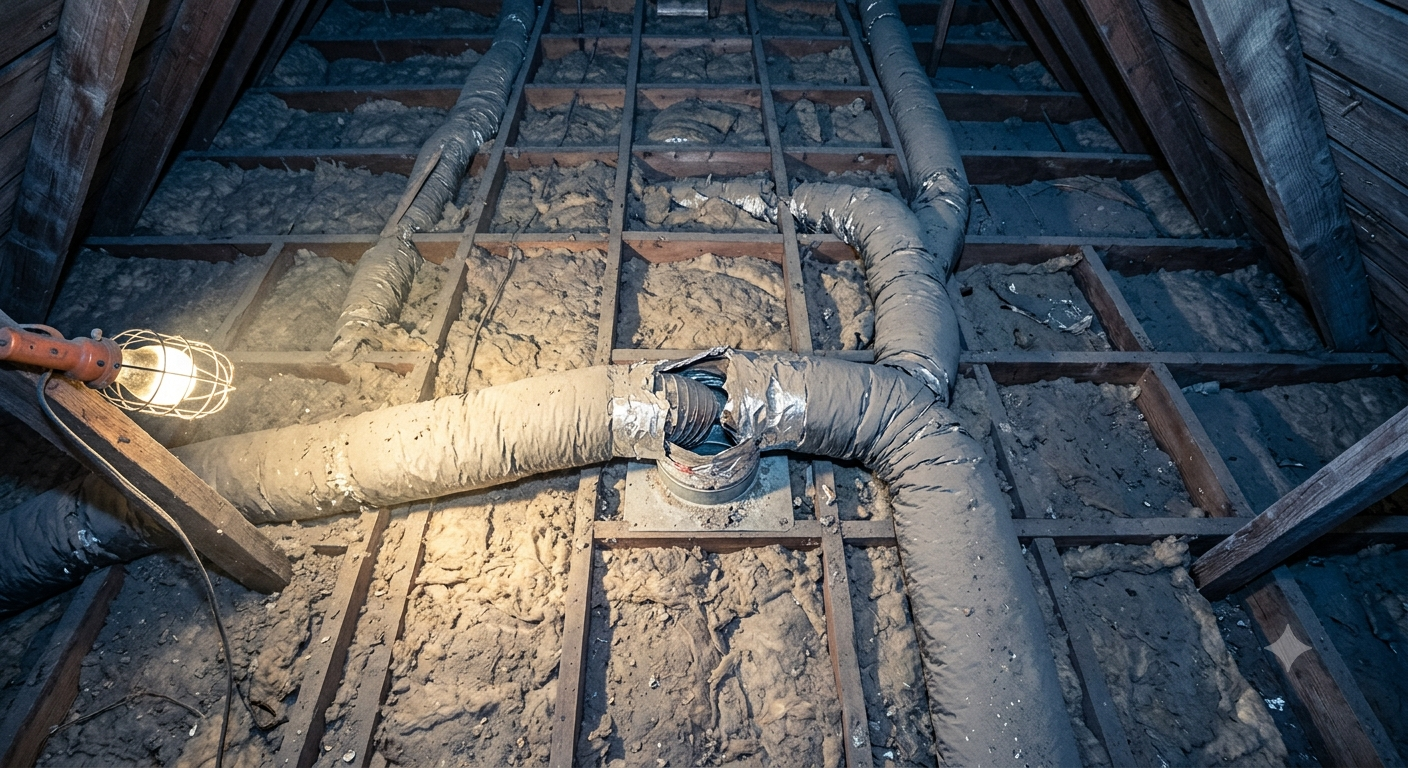
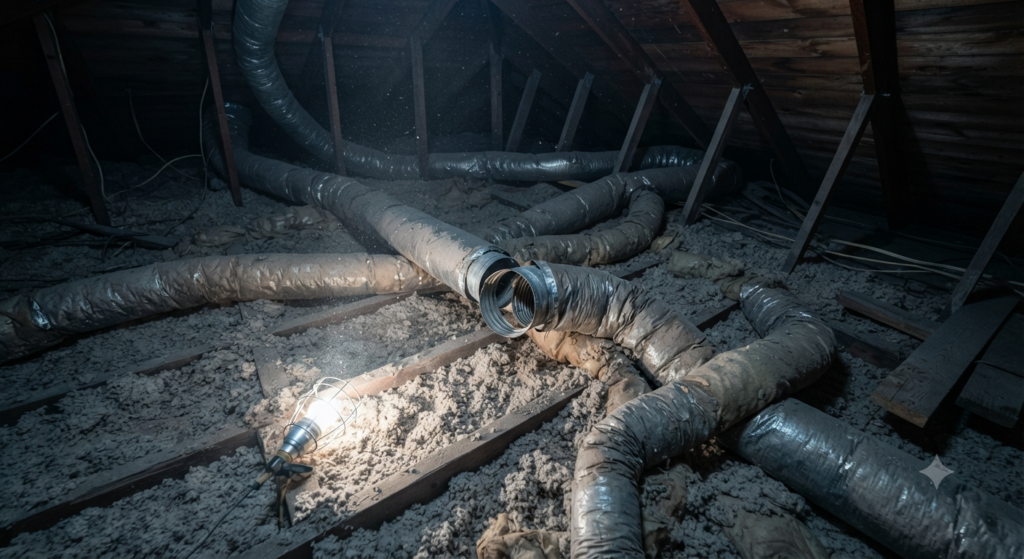
Leaky ducts are one of the most underappreciated sources of energy waste in Michigan homes. The U.S. Department of Energy has noted that duct leakage can account for 20 to 30 percent of a forced-air system’s energy loss in a typical house. If your ducts run through an unconditioned attic or crawlspace, every leak means conditioned air escaping before it ever reaches the rooms you’re trying to heat or cool.
A technician can perform a duct leakage test and seal problem areas with mastic or metal tape. If the ducts are in tight spaces or you’re not sure where the leaks are, this isn’t a DIY job.
Consider Equipment Efficiency Ratings
If your system is more than 10 to 15 years old, the efficiency gap between it and a modern replacement is significant.
For furnaces, the key number is AFUE – Annual Fuel Utilization Efficiency. Older equipment often runs at 80 percent AFUE or below. High-efficiency furnaces today reach 96 to 98 percent AFUE, meaning almost none of the fuel you’re paying for goes to waste.
For air conditioners and heat pumps, the rating is SEER2. A central AC from a decade ago might carry a SEER rating of 10 to 13. Current high-efficiency equipment can reach SEER2 ratings in the high teens or above. That difference shows up on your electric bill every summer.
A system assessment from a qualified technician will tell you whether your current equipment is worth maintaining or whether replacement makes more financial sense given your usage and energy costs.
Right-Sizing Matters More Than You Think
One common mistake when replacing equipment is assuming bigger is better. An oversized furnace or air conditioner short-cycles – it hits the setpoint quickly, shuts off, then fires back up again shortly after. That constant stopping and starting is inefficient, wears out components faster, and creates uneven comfort throughout the house.
Proper sizing requires a Manual J load calculation, which accounts for your home’s square footage, insulation levels, window area, orientation, and local climate data. A contractor who skips this step and just matches the old unit’s size is guessing. When replacing equipment, insist on a proper calculation.
Insulation and the HVAC Connection
Your HVAC system doesn’t work in isolation. The better your home holds its temperature, the less your system has to run. Attic insulation is usually the highest-impact upgrade in Michigan homes because heat rises and attic bypasses are common.
If your attic insulation is below the recommended levels for Michigan’s climate zone, adding insulation will reduce both heating and cooling loads – which directly shortens your system’s run time and lowers your bill.
Financing a More Efficient System
A high-efficiency furnace or air conditioner is a real expense. High Comfort offers promotional financing options so you can spread the cost of a new system over time rather than paying everything upfront. When you factor in the monthly energy savings, the net cost of upgrading is often lower than it first appears.
What to Expect From a System Assessment
When you contact High Comfort for a consultation, a technician will evaluate your current equipment’s condition and efficiency, check your ductwork, and talk through any comfort issues you’ve been dealing with. From there, you’ll get a clear picture of whether maintenance, repairs, or replacement makes the most sense for your situation and your budget.
There’s no pressure to make a decision on the spot. The goal is to give you the information you need to make a smart choice.
Frequently Asked Questions
How much can I realistically save by upgrading my HVAC system in Michigan?
It depends on your current equipment’s age and efficiency, your home’s insulation, and how much you heat and cool. Replacing a 15-year-old furnace with a high-efficiency model can reduce heating costs by 15 to 30 percent in many cases. A technician can give you a more specific estimate based on your actual system and usage.
How often should I have my HVAC system serviced?
Most manufacturers and HVAC professionals recommend a tune-up once a year for each system. In Michigan, that typically means a furnace check in the fall before heating season and an air conditioner check in the spring before cooling season.
Does a smart thermostat actually lower my energy bill?
For most households, yes. A smart thermostat that adjusts temperatures based on your schedule and occupancy can reduce heating and cooling costs noticeably compared to a manual thermostat sitting at one setting all day.
What is AFUE and why does it matter for my heating bill?
AFUE stands for Annual Fuel Utilization Efficiency. It tells you what percentage of the fuel your furnace consumes actually becomes heat in your home. A furnace with 80 percent AFUE wastes 20 cents of every dollar spent on fuel. A 96 percent AFUE furnace wastes only 4 cents. The higher the AFUE, the lower your heating bill for the same amount of warmth.
How do I know if my ducts are leaking?
Common signs include rooms that are harder to heat or cool than others, higher-than-expected energy bills, and visible gaps or disconnections in accessible ductwork. A professional duct leakage test gives you a precise measurement and pinpoints where the leaks are.
Is it worth repairing an old system or should I just replace it?
A common rule of thumb is to multiply the repair cost by the system’s age in years. If that number exceeds the cost of a new system, replacement usually makes more financial sense. A technician can help you weigh the options based on the specific condition of your equipment.
Can High Comfort help with both residential and commercial HVAC efficiency?
Yes. High Comfort serves residential and commercial customers across Southeast Michigan, covering everything from home furnaces and air conditioners to commercial refrigeration systems.
Your energy bill reflects how hard your HVAC system is working. Small maintenance steps help, but if your equipment is old or your home has real air sealing or insulation gaps, the savings from a more efficient system can add up significantly over time. Start with a professional assessment so you know exactly where your money is going – and what it would take to stop the waste.