Michigan winters don’t ease you in. When temperatures across Southeast Michigan drop into the single digits and hold there for days at a stretch, your furnace stops being a comfort appliance and becomes something closer to essential infrastructure. So when a contractor quotes you a variable speed furnace and the price is noticeably higher than a standard unit, the question is completely fair: does the extra cost actually pay off here?
The short answer is that it often does – but the right answer depends on your home, your priorities, and how long you plan to stay. Here’s what to know before making that call.
What “Variable Speed” Actually Means
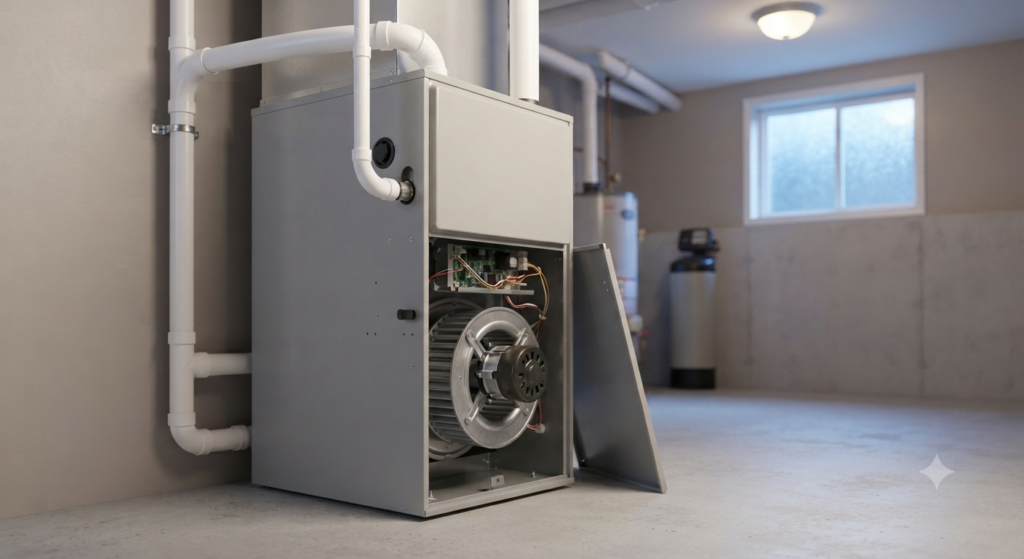
The term refers to the blower motor inside the furnace, not the burner. A standard furnace uses a single-speed motor – full power or nothing. A variable speed furnace uses an electronically commutated motor (ECM) that can run anywhere between roughly 40% and 100% of capacity.
In practice, that means the furnace spends most of its time running at a lower, steadier speed instead of blasting on at full power and then cutting off completely. That difference in behavior changes how your home heats – and in a Michigan climate, those changes matter.
How a Variable Speed Furnace Performs Differently
More Even Heat Distribution
When a single-speed furnace kicks on, it pushes a surge of warm air through the ducts and then goes quiet. Rooms near the return vent heat up fast; rooms at the far end of the duct run stay cold longer. The result is temperature swings of several degrees throughout the day.
A variable speed motor running continuously at low speed keeps air moving steadily. Temperatures stay more consistent from room to room, and that “cold corner” problem – common in older Michigan homes with longer duct runs – becomes much less of an issue.
Better Humidity Control in Winter
This one surprises a lot of people. Dry indoor air in winter is largely a product of how often and how aggressively the furnace cycles. Short, hard heating bursts don’t give air enough time to pass through a whole-home humidifier or distribute moisture evenly through the house.
Longer, slower run cycles change that. If you have a whole-home humidifier, it actually gets time to do its job. For Michigan homes where static electricity and dry sinuses are a seasonal given, this is a genuine quality-of-life improvement.
Quieter Operation
At lower speeds, the blower motor is significantly quieter. If your furnace sits near a bedroom or main living area, the difference is hard to miss – a soft, steady hum instead of the abrupt whoosh of a full-power startup every time the thermostat calls for heat.
Energy Efficiency
ECM motors use substantially less electricity than standard PSC (permanent split capacitor) motors, especially at low speeds. The motor runs more hours but at lower wattage, and the net electricity consumption often comes out lower than a single-speed system cycling on and off throughout the day.
Gas consumption is a separate conversation. A variable speed furnace doesn’t automatically burn less gas – that’s tied to the AFUE rating (annual fuel utilization efficiency), which is its own spec. What variable speed does is reduce waste from short cycling and improve overall system performance. Pair a high AFUE rating (96%+) with a variable speed motor and you’re getting the best of both sides.
The Cost Difference
Variable speed furnaces cost more upfront. Depending on brand, capacity, and installation specifics, the premium over a comparable single-stage unit typically runs from several hundred to over a thousand dollars. Installation costs are similar either way, so the gap is mostly in the equipment itself.
Whether that gap closes over time depends on a few things:
- How cold your winters run. Southeast Michigan regularly sees extended stretches below 20°F. More heating hours means more opportunity for efficiency advantages to accumulate.
- Your electricity rates. The motor savings are real, but they show up in kilowatt-hours. Higher utility rates shorten the payback period.
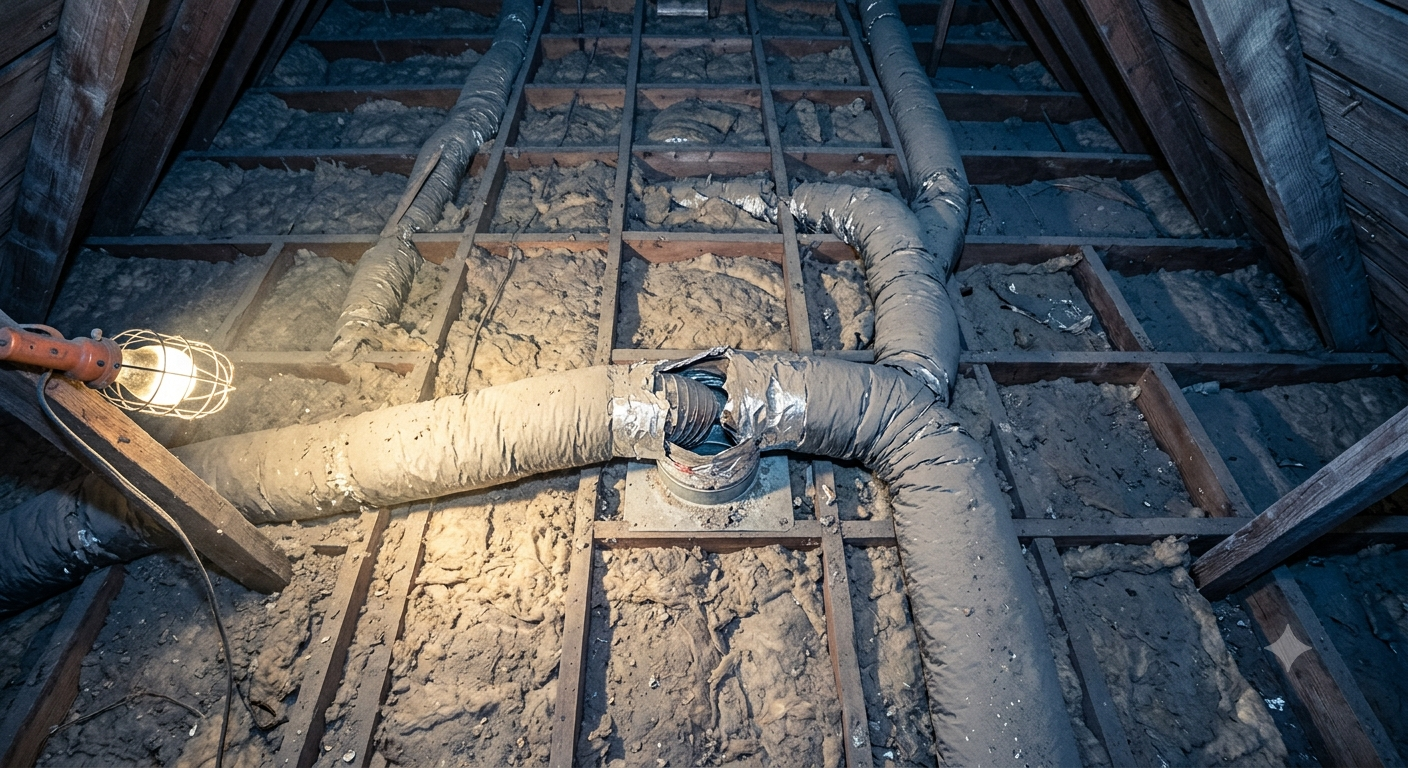
- Your home’s insulation and duct condition. A well-sealed, well-insulated home gets more out of precise temperature control. A drafty home with leaky ducts loses some of that benefit regardless of motor type.
- How long you stay. If you’re selling in two years, the math is harder. If you’re in for the long haul, the efficiency gains and comfort improvements add up over time.
For many Michigan homeowners replacing an aging system, the upgrade makes financial sense across a 10-15 year equipment lifespan – especially when utility incentives or promotional financing are available to reduce what you’re paying upfront.
When a Standard Furnace Still Makes Sense
Variable speed isn’t the right answer for every situation. A single-stage or two-stage unit may be the better call if:
- You need a reliable system now and budget is the primary constraint
- The home is smaller or well-zoned and temperature consistency isn’t a major concern
- You’re replacing a furnace in a rental property or a home you’re planning to sell soon
- The existing duct system has problems that would limit what a variable speed motor can actually do
A two-stage furnace – which runs at high and low fire rather than a variable blower speed – is a reasonable middle ground. Better comfort than single-stage, lower cost than full variable speed.
What to Ask Before You Decide
When you’re getting quotes, push past the spec sheet. Ask:
- What AFUE rating does this unit carry?
- Does the variable speed motor require a compatible thermostat, or will my current one work?
- What’s the manufacturer’s warranty on the ECM motor specifically?
- Are there utility rebates available for this equipment in Michigan?
- What financing options are available if I want to spread the cost?
Those questions turn a quote into a complete picture.
Getting the Right Assessment for Your Home
No article can tell you definitively whether a variable speed furnace is worth it for your specific house. Duct layout, square footage, insulation, existing equipment, and how you actually use the system all factor in.
A proper load calculation and system assessment from a qualified technician gives you real numbers instead of generalizations. High Comfort serves homeowners and businesses across Southeast Michigan and can walk you through the options, run the numbers for your home, and help you weigh upfront cost against realistic long-term performance.
If the price of a new variable speed system is a concern, promotional financing options are available to make the upgrade more accessible – without having to settle for a unit that underperforms.
Frequently Asked Questions
What is a variable speed furnace?
A variable speed furnace uses an electronically commutated motor (ECM) in its blower that can run at multiple speeds rather than simply on or off. This allows the furnace to operate longer at lower speeds, which improves comfort, reduces temperature swings, and uses less electricity than a standard single-speed motor.
Is a variable speed furnace worth the extra cost?
For many Michigan homeowners, yes. Better comfort, lower electricity use, improved humidity control, and quieter operation add real value over a 10-15 year lifespan. The payback depends on your home’s size, insulation, utility rates, and how long you plan to stay.
Does a variable speed furnace use less gas?
Not necessarily. Gas efficiency is determined by the AFUE rating, which is a separate spec from motor type. Variable speed reduces electricity consumption and can cut down on short cycling, but lowering gas use comes down to choosing a high AFUE rating (90%+) regardless of motor type.
How does a variable speed furnace help with dry air in winter?
Longer, slower run cycles give whole-home humidifiers more time to work and allow moisture to distribute more evenly. Single-speed furnaces that cycle on and off quickly don’t circulate air long enough for humidification to be as effective.
What’s the difference between variable speed and two-stage?
Two-stage refers to the burner, which can fire at high or low output. Variable speed refers to the blower motor. A furnace can have one, both, or neither. A two-stage furnace with a variable speed motor offers the most precise control and is generally the highest-performing residential option available.
How long do variable speed furnace motors last?
ECM motors are generally considered durable and often carry longer warranties than standard PSC motors. Manufacturer warranties vary, so it’s worth asking about the specific motor warranty when you’re comparing equipment.
Can I get a variable speed furnace installed in Southeast Michigan?
Yes. HVAC contractors serving Southeast Michigan, including High Comfort, install variable speed systems for both residential and commercial properties. A system assessment beforehand helps make sure you’re properly sized and configured for your home.
A variable speed furnace isn’t a luxury upgrade for Michigan winters. For many homes, it’s simply the more practical long-term choice. The key is making sure the equipment fits your home, your budget, and your timeline before you commit.