Michigan summers don’t ease in gently. One week you’re running the heat in Bloomfield Hills, and the next you’re sweating through a stretch of 90-degree humidity with the AC struggling to keep up. When your system doesn’t respond the way it should, the problem isn’t going to sort itself out.
Here are the ten most common AC problems Southeast Michigan homeowners run into, what’s actually causing them, and what to do about each one.1. The AC Is Running But Not Cooling
1. The AC Is Running But Not Cooling
This is the complaint we hear most often. The system kicks on, air moves through the vents, and the house stays warm anyway.
A dirty air filter, low refrigerant, or a frozen evaporator coil are the usual suspects. Start with the filter. If it’s packed with dust, airflow is choked off and the system can’t do its job. Swap it out and give the unit about 30 minutes to recover.
If the filter looks fine and nothing changes, you need a technician. Low refrigerant means there’s a leak somewhere, and that’s not a DIY fix — it requires a licensed HVAC professional to find and repair it.
2. The AC Won’t Turn On At All
You adjust the thermostat, nothing happens. Before you call anyone, run through a few quick checks.
Make sure the thermostat is set to “cool” and the target temperature is actually below the current room temperature. Then check your circuit breaker — a tripped breaker is one of the most common causes and the easiest fix. Also confirm the disconnect switch near the outdoor unit hasn’t been accidentally turned off.
If none of that does it, you’re likely dealing with a failed capacitor, a faulty contactor, or a wiring issue. Those need a professional.
3. The AC Keeps Cycling On and Off
Short cycling — where the system runs for a few minutes, shuts off, and starts again — is hard on the equipment and leaves your home feeling clammy and inconsistent.
An oversized system, a refrigerant leak, a dirty condenser coil, or a failing compressor can all cause it. An oversized unit is worth calling out specifically: it cools the air too fast without pulling out enough humidity, which is a real problem during Michigan’s muggy July and August weeks.
If your system is short cycling and it’s pushing 12 to 15 years old, the math on another repair may not work in your favor.
4. Weak Airflow From the Vents
If rooms in your Berkley or Royal Oak home feel stuffy while others are comfortable, airflow is the issue.
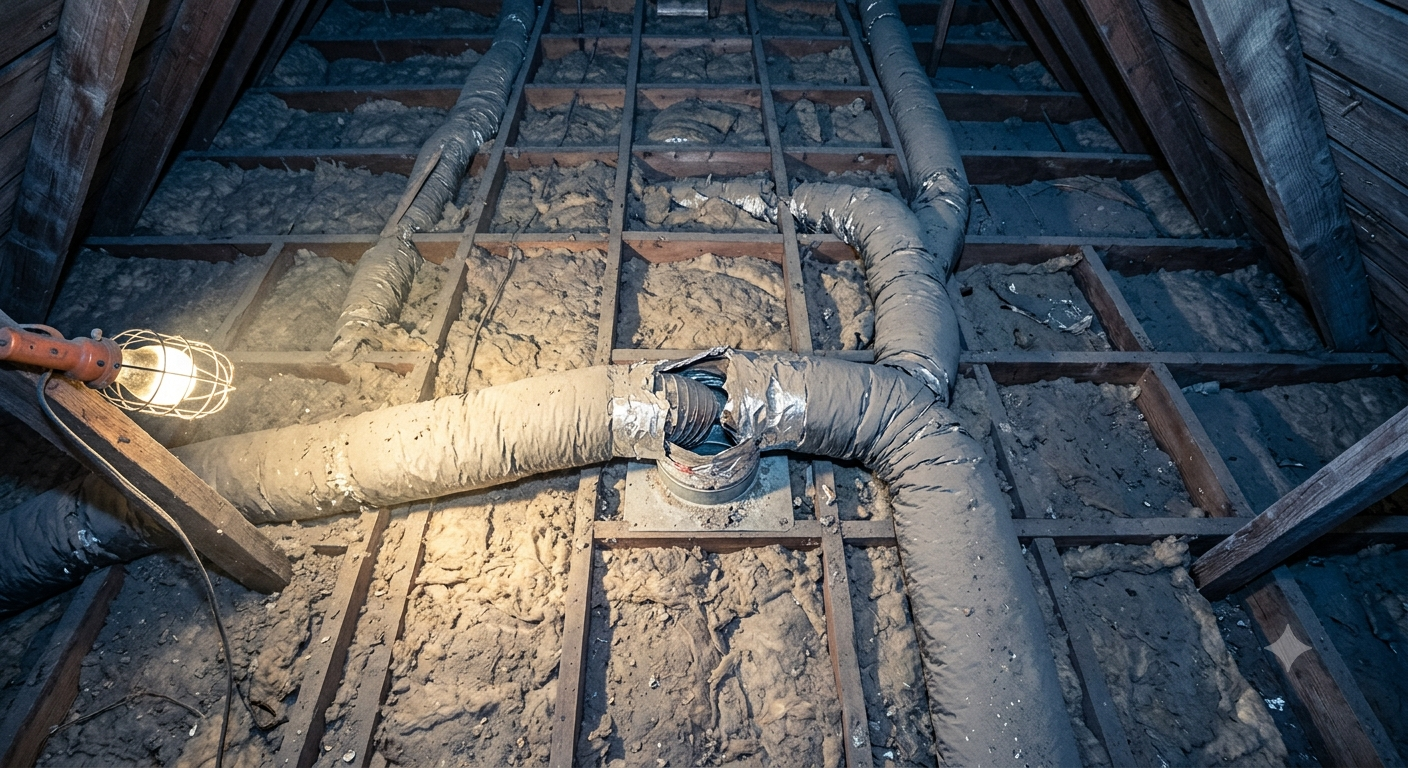
Start with the filter. If that’s not it, collapsed or disconnected ductwork, a failing blower motor, or blocked vents can all restrict how much air reaches your living space. Furniture pushed up against vents is a surprisingly common culprit worth ruling out first.
When ductwork is the problem, a professional inspection will pinpoint exactly where the system is losing air.
5. The AC Is Leaking Water
Some condensation near the indoor unit is normal. Puddles or water stains on the wall or floor are not.
A clogged condensate drain line is the most common cause. Algae and debris build up over time, block the line, and the overflow pan does exactly what the name suggests. Clearing the drain is a straightforward service call.
A frozen evaporator coil can also cause water to pool when it thaws — and that usually traces back to restricted airflow or low refrigerant.
6. Strange Noises Coming From the Unit
A well-functioning AC runs quietly. New sounds are worth paying attention to.
- Banging or clanking: Something is loose or broken inside the unit — possibly a connecting rod or piston.
- Squealing: A worn belt or failing motor bearing.
- Clicking: Normal at startup and shutdown, but constant clicking points to an electrical issue.
- Hissing or bubbling: Often a refrigerant leak.
Unusual sounds rarely improve on their own. A small repair caught early is almost always cheaper than the larger one it becomes if you wait.
7. The AC Smells Musty or Moldy
A musty smell from your vents usually means mold or mildew has taken hold somewhere in the system — most often in the evaporator coil or drain pan.
Southeast Michigan’s humidity makes this more common than homeowners expect, especially when a system sits idle through spring. Running the fan without cooling can help dry things out, but a proper cleaning by a technician is the right fix.
If the smell is more like burning or electrical, turn the system off and call for service right away.
8. The Thermostat Is Reading the Wrong Temperature
The thermostat controls everything. When it’s off, the whole system behaves erratically.
Older thermostats drift over time. One placed in direct sunlight or near a heat source will give false readings and cause the system to run at the wrong times. If your AC runs constantly but the house never reaches the set temperature, the thermostat may be the problem — not the unit itself.
Upgrading to a programmable or smart thermostat is a relatively low-cost fix that can also trim your energy bills over time.
9. Ice Forming on the Outdoor Unit or Refrigerant Lines
Ice on your AC in the middle of summer isn’t a sign the system is working overtime. It’s a sign something is wrong.
Restricted airflow and low refrigerant are the two main causes. When refrigerant pressure drops or airflow is blocked, the coil gets too cold and moisture freezes on contact. Running the system in that state risks damaging the compressor — one of the most expensive components in the unit.
Turn the system off, let it thaw completely, and schedule a service call before you restart it.
10. High Energy Bills Without a Change in Usage
If your electricity bill has climbed this summer and nothing about your routine has changed, your AC is probably working much harder than it should be.
Dirty coils, a refrigerant leak, worn components, or an aging system all force the unit to run longer to reach the same result. A system that’s 15 or more years old is also likely running at a fraction of its original efficiency, whether or not it’s showing obvious signs of trouble.
A pre-season maintenance check-up is one of the most practical ways to catch these issues before they show up on your utility bill. High Comfort offers annual maintenance visits designed to do exactly that.
When to Repair vs. When to Replace
Most of the problems above are repairable, particularly on systems under 10 years old. The decision gets harder as the equipment ages.
A useful rule of thumb: if the repair cost is more than half the price of a new system and the unit is already 12-plus years old, replacement is usually the smarter investment. A new Bryant® system installed by an authorized dealer like High Comfort will run more efficiently and come with manufacturer backing.
Major HVAC purchases don’t have to wait because of upfront cost. Promotional financing is available for qualifying installations, so you can move forward without putting the full amount out of pocket at once.
Get Your AC Diagnosed by a Local Specialist
If any of this sounds familiar, the right move is a professional assessment. Guessing at the cause — or attempting repairs without the right tools — can turn a manageable problem into a bigger one.
High Comfort serves homeowners across Southeast Michigan, including Birmingham, Novi, Southfield, West Bloomfield, and the surrounding suburbs. Whether you need a quick diagnostic visit or a full Bryant® system installation, the team can help.
Schedule your assessment at high-comfort.com. If you need a repair, ask about the current $20 off promotion.
Frequently Asked Questions
Why is my AC running but not cooling my house? The most common reasons are a clogged air filter, low refrigerant from a leak, or a frozen evaporator coil. Start by replacing the filter. If the problem continues, a technician needs to check refrigerant levels and inspect the coil.
How often should I have my AC serviced in Michigan? Once a year is the standard recommendation, ideally in the spring before cooling season starts. An annual pre-season check-up catches small issues before they turn into expensive repairs during the hottest weeks of summer.
What causes an AC to short cycle? Short cycling is usually caused by an oversized system, low refrigerant, a dirty condenser coil, or a failing compressor. An oversized unit is a common issue in older homes where the system was never properly sized for the space.
Is ice on my AC unit dangerous? Running the system while it’s iced over can damage the compressor, so yes — treat it seriously. Turn the unit off, let it thaw completely, and schedule a service call before turning it back on.
How do I know if I should repair or replace my AC? If the system is under 10 years old and the repair cost is reasonable, repair usually makes sense. If it’s 12 to 15 years old and you’re facing a major repair, replacement is often the better value — especially when financing is available to spread the cost over time.
What does a musty smell from my AC vents mean? It typically means mold or mildew has developed in the evaporator coil, drain pan, or ductwork. Southeast Michigan’s humidity makes this more common than in drier climates. A professional cleaning takes care of it.
Can I fix AC problems myself? Some things are safe to handle on your own — replacing a dirty filter, checking thermostat settings, or resetting a tripped breaker. Anything involving refrigerant, electrical components, or the compressor should be left to a licensed HVAC technician.