If you’ve ever called someone to fix your furnace in January or had a technician tune up your air conditioner before a hot Birmingham summer, you’ve already used HVAC services. But if you’re not entirely sure what HVAC means, what it covers, or why it matters for your home, you’re in good company.
This guide breaks it all down in plain language. Whether you’re a new homeowner in Royal Oak, a longtime resident of Bloomfield Hills, or a business owner in Southfield trying to keep your refrigeration running, here’s what you need to know heading into 2026.
What Does HVAC Stand For?
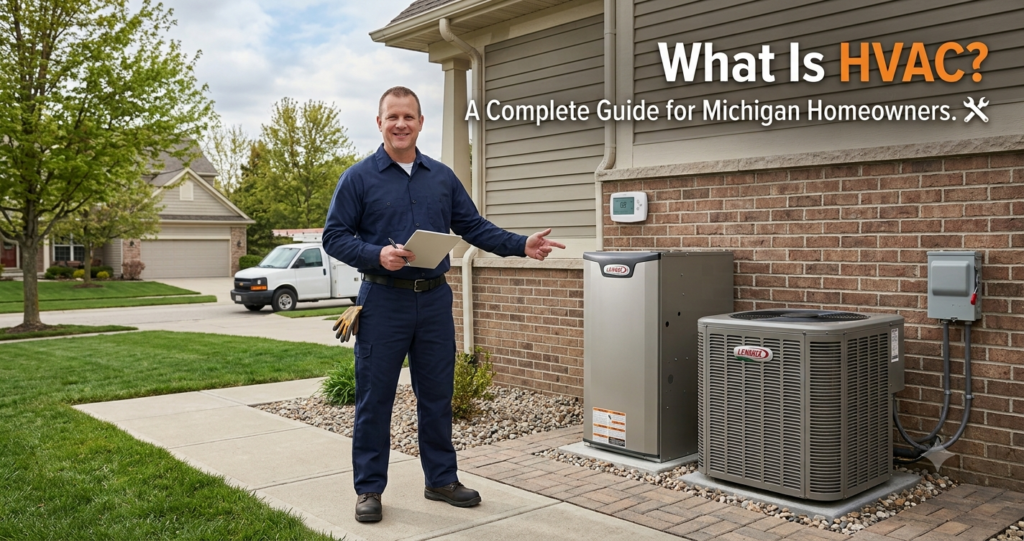
HVAC stands for Heating, Ventilation, and Air Conditioning. It’s the umbrella term for the systems that control temperature, humidity, and air quality inside your home or building.
Each part does something specific:
- Heating keeps your home warm through Michigan winters, typically through a furnace, boiler, or heat pump.
- Ventilation moves air through your home, clears out stale air, and distributes conditioned air through your ductwork.
- Air Conditioning pulls heat and humidity out of your indoor air during summer, keeping things comfortable when temperatures climb.
In Southeast Michigan, where winters regularly push below freezing and summers get humid fast, a reliable HVAC system isn’t a luxury. It’s something you depend on every single day.
The Main Components of an HVAC System
Knowing what’s inside your system helps you recognize when something’s off and communicate more clearly with a technician when you call.
Furnace
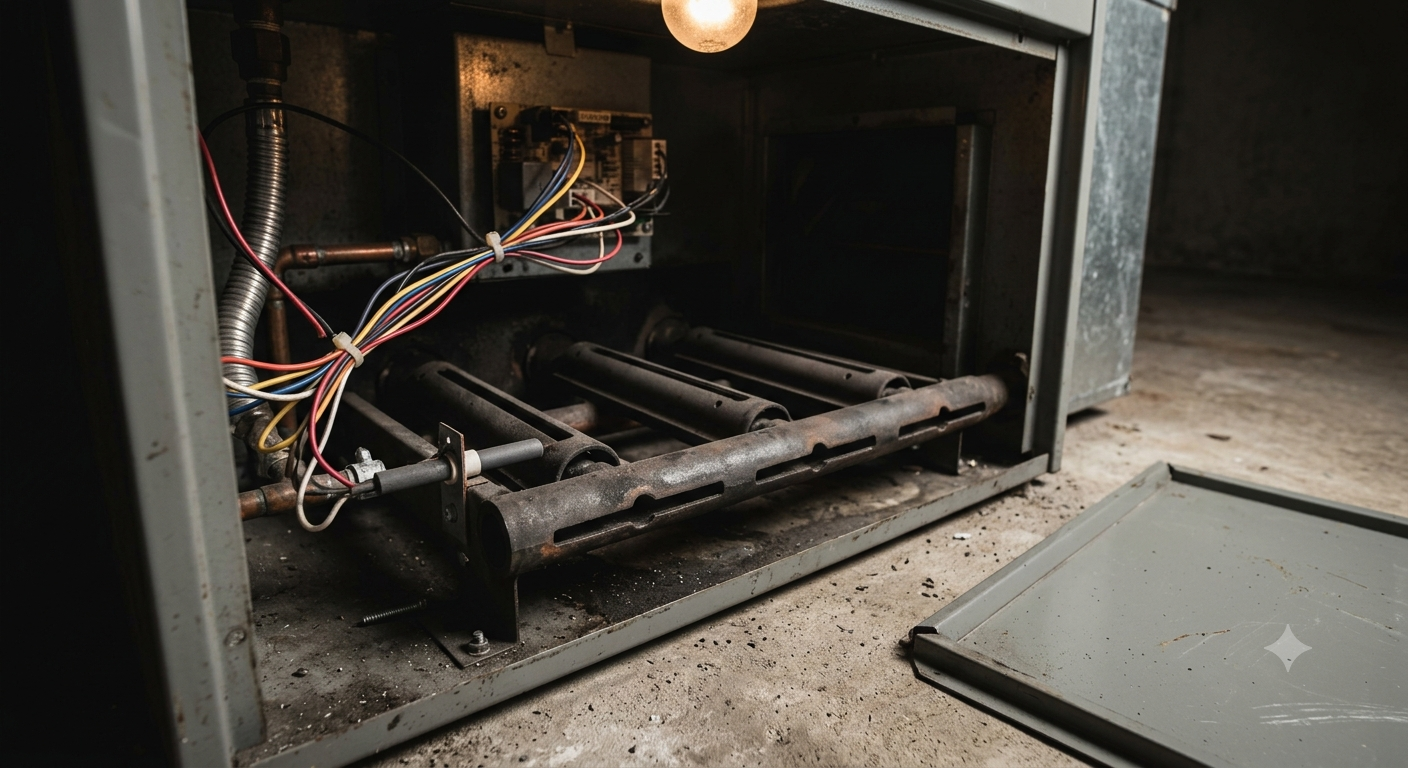
The furnace is the core of your home’s heating system. It burns natural gas or uses electricity to generate heat, then pushes warm air through your ductwork. Most Michigan homes run on a gas furnace as the primary heat source.
Air Conditioner
A central air conditioner pulls heat out of your indoor air and releases it outside. It uses refrigerant to absorb and transfer that heat, working alongside your furnace’s blower and ductwork to circulate cool air through every room.
Heat Pump
A heat pump moves heat rather than generating it, which makes it highly efficient in mild weather. In Michigan winters, heat pumps are typically paired with a gas furnace to handle the coldest days reliably.
Ductwork
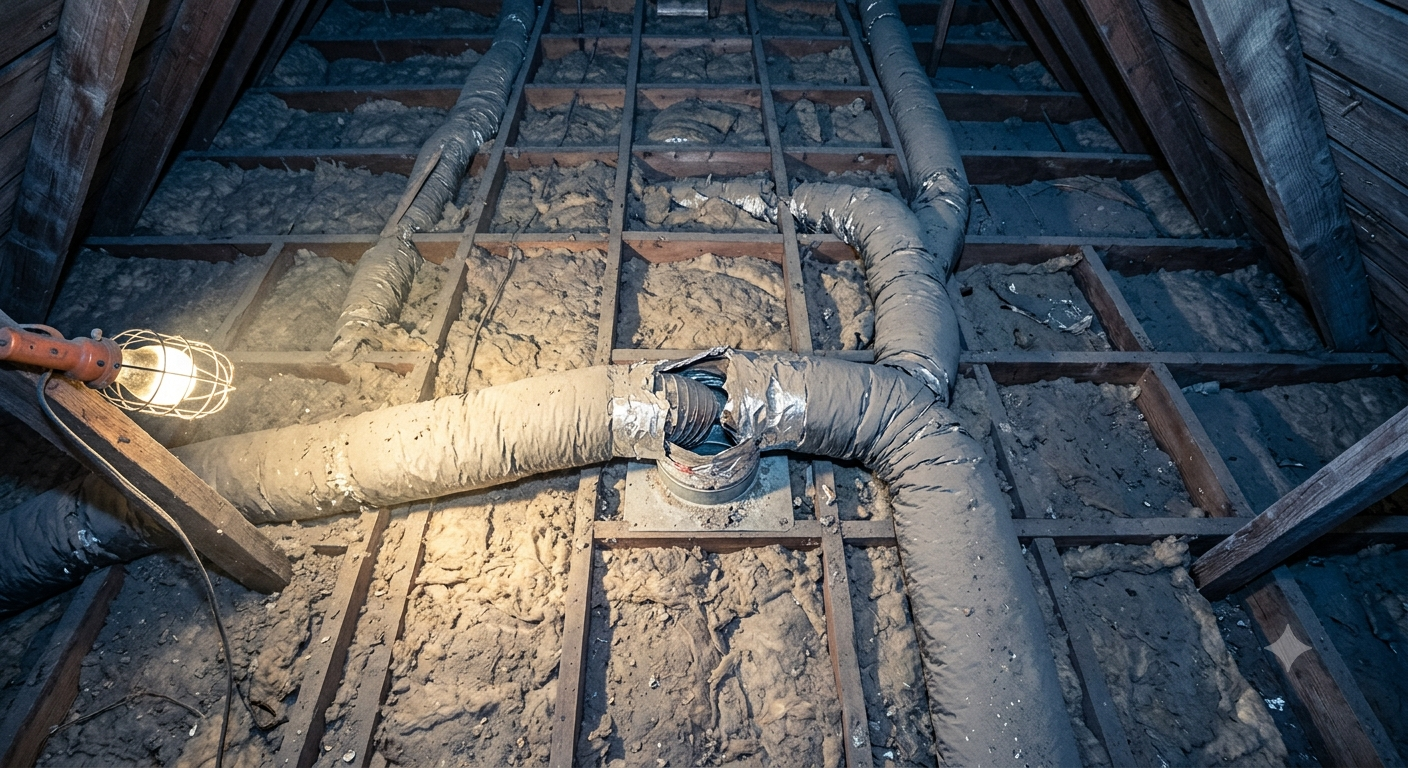
Ducts are the channels that carry conditioned air from your heating or cooling unit to every room in your home. Leaky or poorly insulated ducts quietly reduce efficiency and drive up your energy bills.
Thermostat
Your thermostat is the control center. It reads your home’s temperature and tells the system when to run. Smart thermostats go a step further, learning your schedule and trimming energy use over time.
Air Handler and Blower
These components move air through the system. The blower fan pushes air across the heat exchanger in heating mode or the evaporator coil in cooling mode, then sends it through your ducts.
How Heating and Cooling Work Together
Your furnace and air conditioner are separate pieces of equipment, but they share the same ductwork and blower. That’s why HVAC is treated as one integrated system rather than two independent ones.
When you adjust your thermostat, it coordinates which part of the system kicks on. In winter, the furnace heats the air and the blower distributes it. In summer, the air conditioner cools the air and that same blower circulates it. Ventilation runs continuously, either through dedicated equipment or through the natural airflow the system creates.
This shared infrastructure also means a problem in one component can ripple through the whole system. A clogged air filter, for example, restricts airflow and forces both your furnace and your AC to work harder than they should.
Types of HVAC Systems
Not every home uses the same setup. Here are the most common configurations you’ll find across Southeast Michigan.
Central Forced-Air Systems
This is the standard in Michigan. A furnace and central air conditioner share a single duct system, providing whole-home comfort that’s straightforward to maintain and service.
Ductless Mini-Split Systems
Ductless systems use individual air handlers mounted in specific rooms or zones, with no ductwork required. They’re a practical choice for older homes without existing ducts, room additions, or spaces where you want independent temperature control. High Comfort services ductless HVAC systems throughout Southeast Michigan.
Boiler and Radiant Heat Systems
Some older Michigan homes use a boiler to heat water, which then circulates through radiators or radiant floor systems. These setups don’t use ductwork and don’t include central air conditioning, so homeowners often add a separate cooling solution.
Commercial HVAC and Refrigeration
Commercial buildings come with their own set of demands. Restaurants, retail spaces, and food service operations in the Southfield and Novi area also rely on commercial refrigeration systems, which require specialized diagnosis and servicing. This is a distinct category from standard HVAC and calls for a technician with real commercial refrigeration experience.
Why HVAC Maintenance Matters in Michigan
Michigan’s climate puts genuine stress on HVAC equipment. Your furnace runs hard from October through April. Your air conditioner works overtime from June through August. That’s a long operating season for both systems, and it adds up.
Regular maintenance makes a real difference:
- Prevents unexpected breakdowns during the hottest and coldest weeks of the year
- Extends equipment life, reducing how often you face a full replacement
- Keeps energy bills lower by ensuring the system runs efficiently
- Maintains air quality by keeping filters, coils, and ducts clean
Annual pre-season check-ups are one of the most practical things you can do as a homeowner. Scheduling a furnace inspection in September or an AC tune-up in April means a technician catches small problems before they turn into expensive ones.
If you’re in Berkley, Clawson, or West Bloomfield and haven’t had your system looked at recently, it’s worth getting on the schedule before the next season arrives.
When to Repair vs. Replace Your HVAC System
This is one of the most common questions homeowners ask, and there’s no single answer. A few key factors usually point the way.
Repair tends to make sense when:
- The system is less than 10 years old
- The repair cost is less than half the cost of a new system
- The unit has been well-maintained and this is an isolated issue
Replacement is worth considering when:
- The furnace or AC is 15 to 20 years old
- Repairs have been recurring and adding up
- Energy bills have been climbing without a clear reason
- The system uses R-22 refrigerant, which has been phased out and is now costly to service
If you’re not sure which way to go, a professional assessment gives you the clearest picture. A technician can evaluate your system’s condition and help you weigh the real cost of each path.
Major HVAC purchases don’t have to wait. Promotional financing is available for qualifying installations, so you can move forward with a new Bryant® system without covering the full cost upfront.
Ready for a professional opinion on your system? High Comfort’s heating and cooling services cover the full range of residential and commercial HVAC needs across Southeast Michigan.
What to Look for in an HVAC Company
Not every HVAC company offers the same expertise or level of service. Here’s what’s worth paying attention to when you’re deciding who to call.
Authorized dealer status. Companies authorized to sell and install brands like Bryant® have met specific training and service standards. That matters for installation quality and warranty coverage.
Local focus. A company that primarily serves Southeast Michigan understands the regional climate, the equipment common in local homes, and what Michigan winters and summers actually demand. That’s practical knowledge, not just a tagline.
Clear communication. You should know what’s wrong, what the fix involves, and what it will cost before any work starts. That’s a basic expectation, not a bonus.
Commercial refrigeration capability. If you own a restaurant or food service business, confirm the company explicitly offers commercial refrigeration diagnosis and repair. Many residential HVAC companies don’t.
Financing options. For larger replacements, financing removes a significant barrier. Ask whether the company offers promotional financing and what the terms look like.
HVAC and Your Home’s Air Quality
Your HVAC system does more than manage temperature. It also affects the air you breathe every day.
A well-maintained system filters dust, allergens, and airborne particles. It manages humidity, which matters in Michigan where summer humidity makes a home feel warmer than it is and winter dryness brings its own discomfort.
Signs your system may be affecting air quality:
- Dust building up on surfaces shortly after cleaning
- Musty or stale odors when the system runs
- Allergy symptoms that seem worse indoors
- Visible mold near vents or on the air handler
If you notice any of these, it’s worth having a technician inspect the full system, not just swap the filter.
FAQs
What does HVAC stand for? HVAC stands for Heating, Ventilation, and Air Conditioning. It refers to the systems that control temperature, humidity, and air quality inside a home or building.
How often should I service my HVAC system in Michigan? Twice a year is the standard recommendation. Schedule a furnace inspection before winter and an AC tune-up before summer. Michigan’s long heating and cooling seasons make pre-season maintenance especially worthwhile.
What’s the difference between a furnace and a heat pump? A furnace generates heat by burning fuel or using electricity. A heat pump moves heat from one place to another rather than generating it. Heat pumps are efficient in moderate temperatures but are typically paired with a furnace in Michigan for reliable performance during the coldest months.
How do I know if I need a new system or just a repair? Age, repair history, and cost are the key factors. If your system is over 15 years old, has needed multiple repairs, or is facing a repair that costs more than half the price of a replacement, a new system is often the better investment. A professional assessment gives you the clearest answer.
What is a ductless HVAC system? A ductless system, also called a mini-split, uses individual air handlers in specific rooms instead of a central duct network. It’s a strong option for homes without existing ductwork, room additions, or spaces where you want independent temperature control.
Does HVAC include commercial refrigeration? Standard HVAC covers heating, cooling, and ventilation. Commercial refrigeration is a related but distinct category covering walk-in coolers, display cases, and refrigeration units used in restaurants and food service. Not all HVAC companies service commercial refrigeration equipment.
What financing options are available for HVAC replacements? Promotional financing is available for major HVAC purchases through High Comfort. This lets you spread the cost of a new Bryant® system over time rather than paying everything upfront. Contact the company directly to discuss current financing terms.
Your HVAC system is one of the hardest-working systems in your home. Understanding how it works, when to maintain it, and what to do when something goes wrong puts you in a much stronger position as a homeowner.
If you’re in Royal Oak, Birmingham, Novi, or anywhere across Southeast Michigan and want a professional to assess your heating or cooling system, reach out to High Comfort to schedule a consultation.